TRACE Project: Strengthening Clinical Trials Ethics across Africa – Core Team Meeting in Zimbabwe

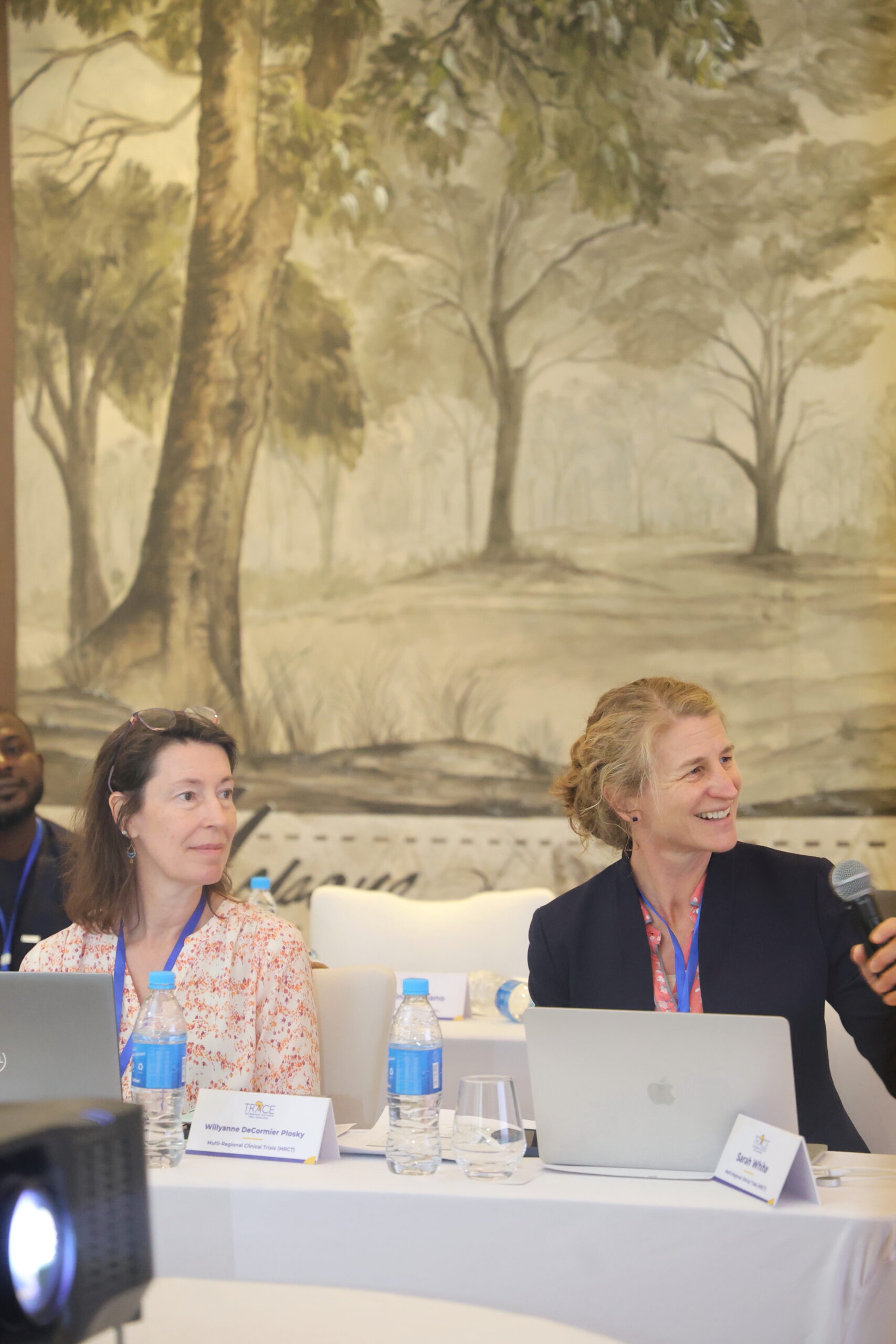
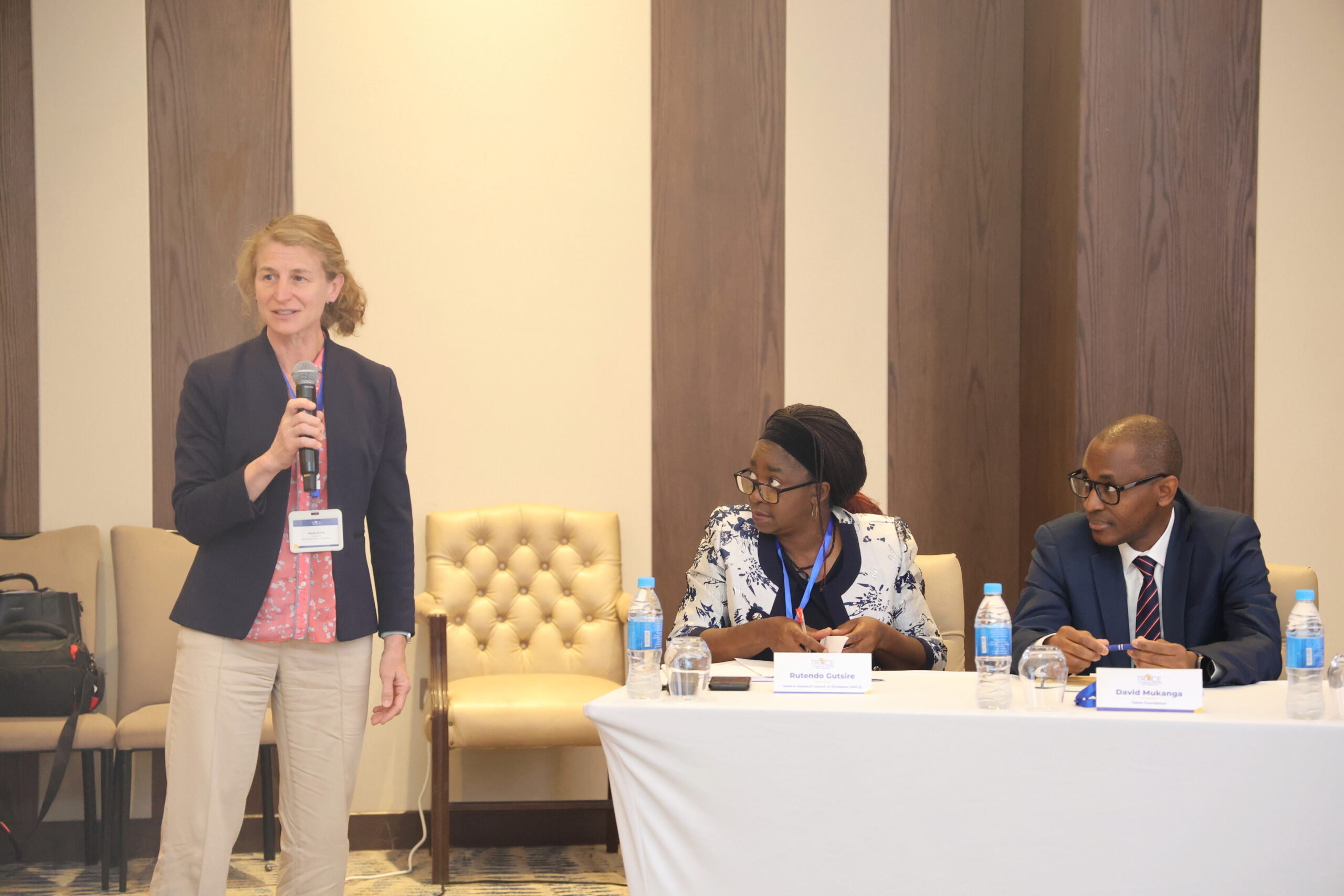
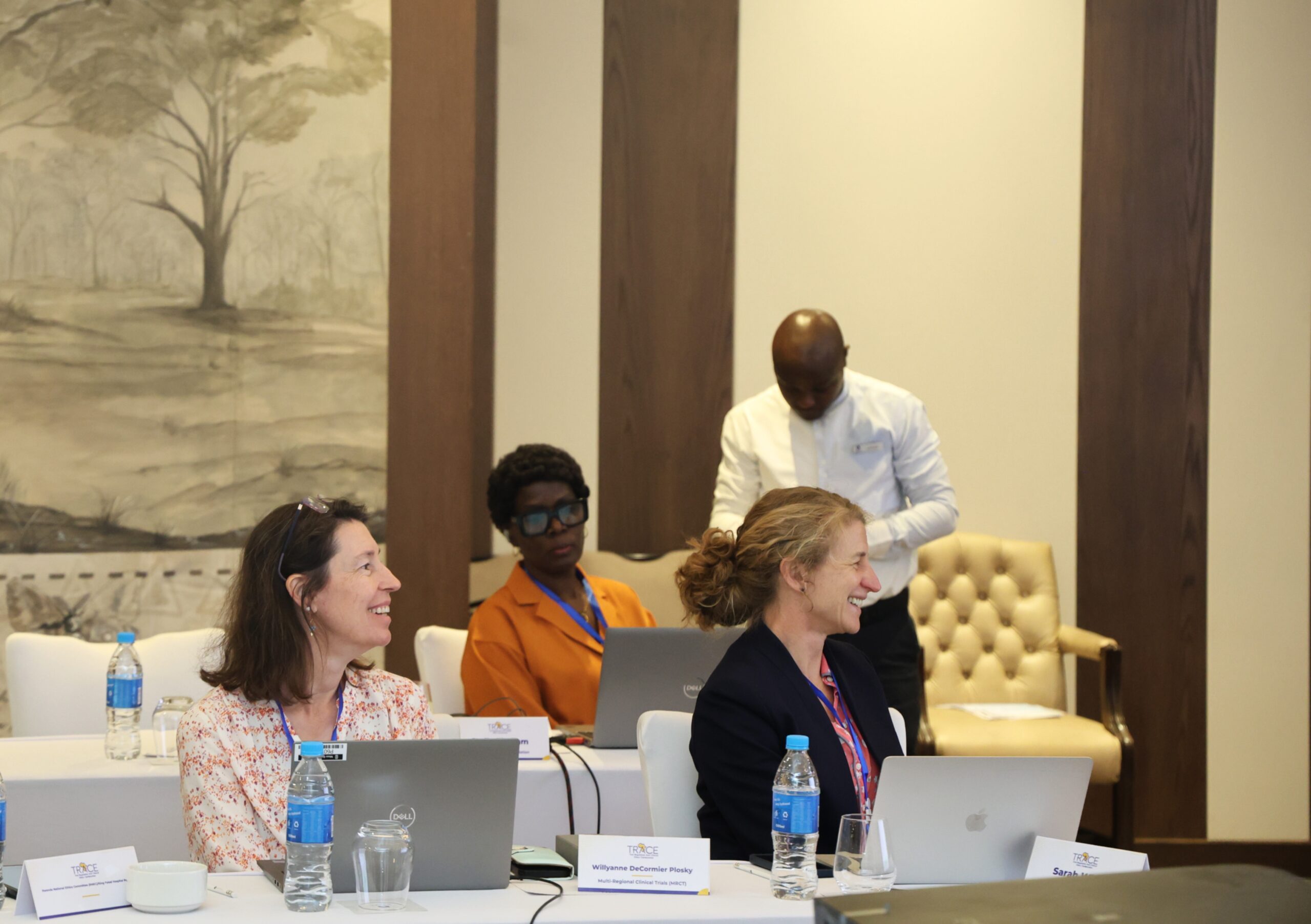
Sarah White, Executive Director, MRCT Center
Dr. Willyanne DeCormier Plosky, Program Director, MRCT Center

The MRCT Center serves as technical lead for the TRACE (Trial Regulatory and Clinical Ethics Optimization) project, a partnership working to strengthen clinical trial ethics capacity across Sub-Saharan Africa. Work with Nigeria, Rwanda, Zimbabwe, and Tanzania expanded in 2026 to include Kenya. The Center supports each country’s distinct needs in capacity building and financial sustainability, with particular attention to parallel submission, registration, accreditation pathways, in-country reliance, and sustainable financing models.

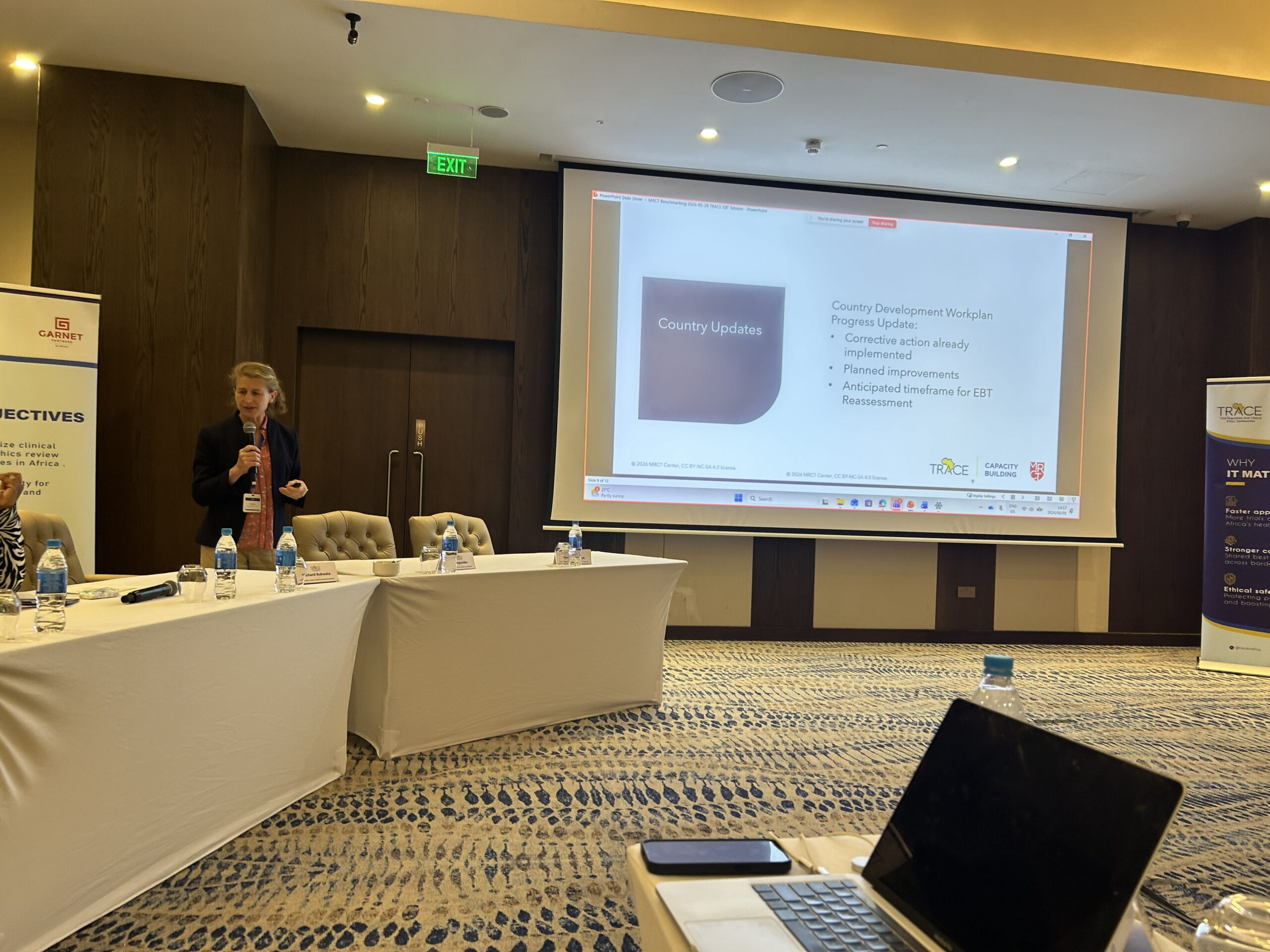
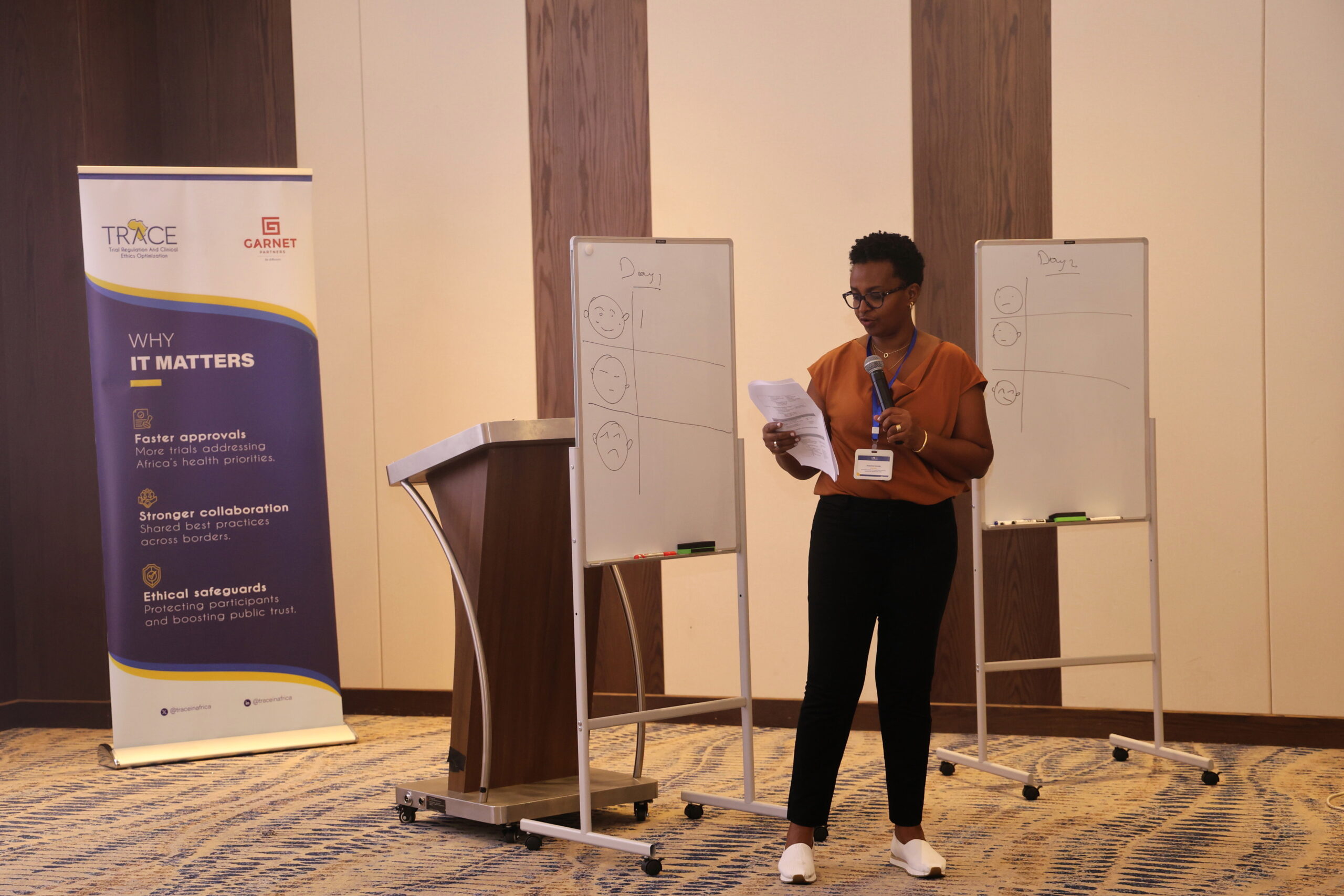
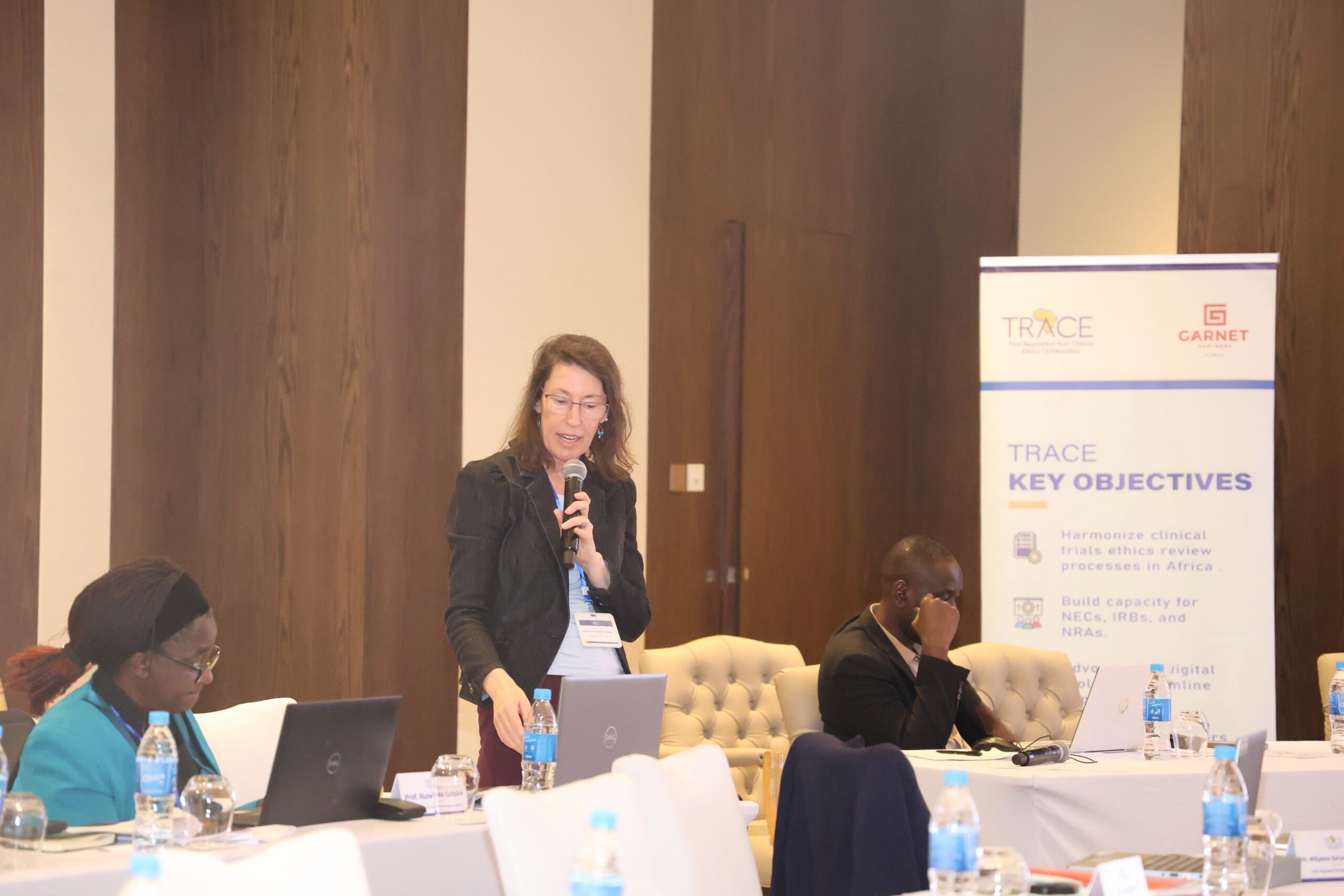
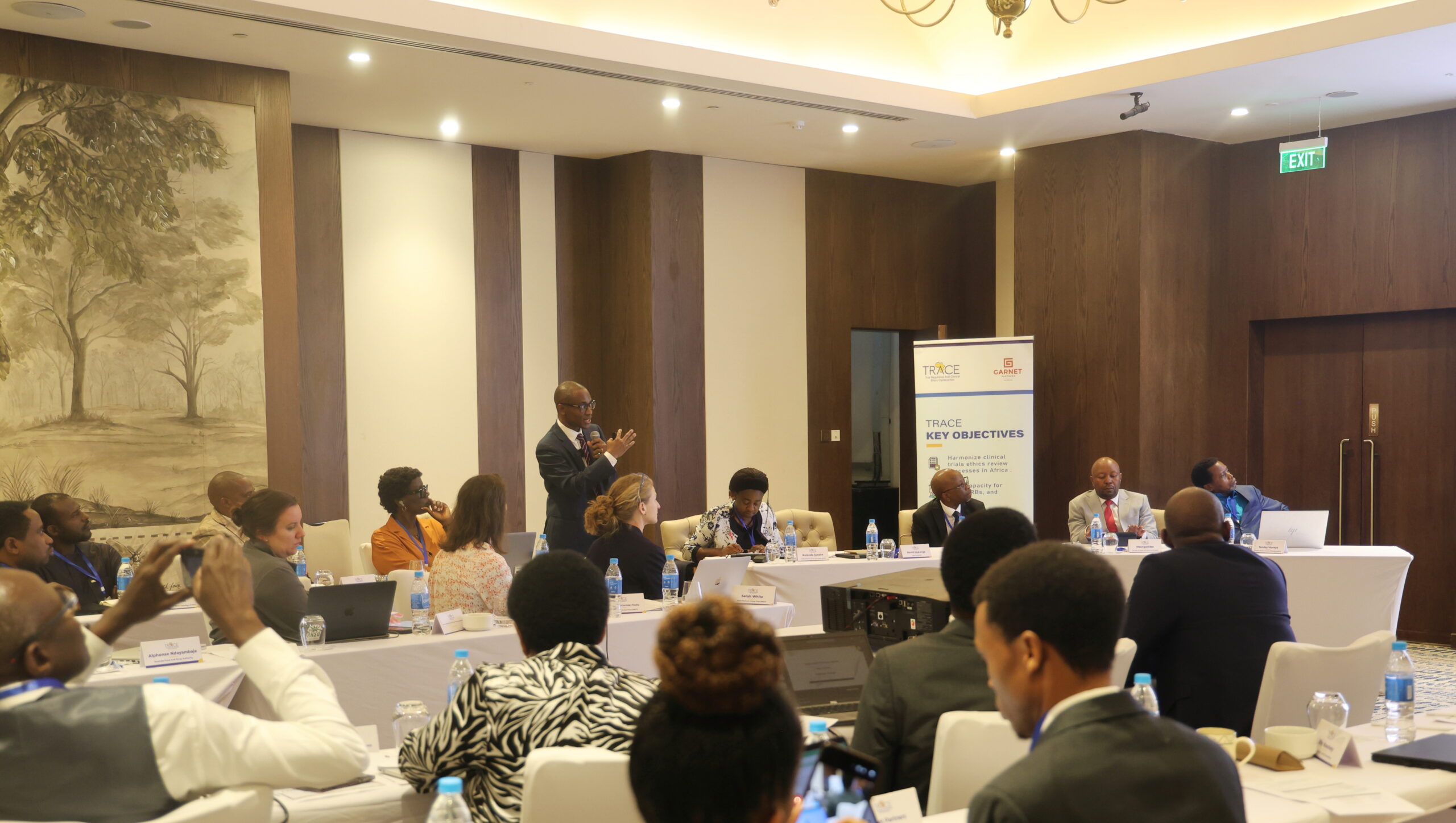
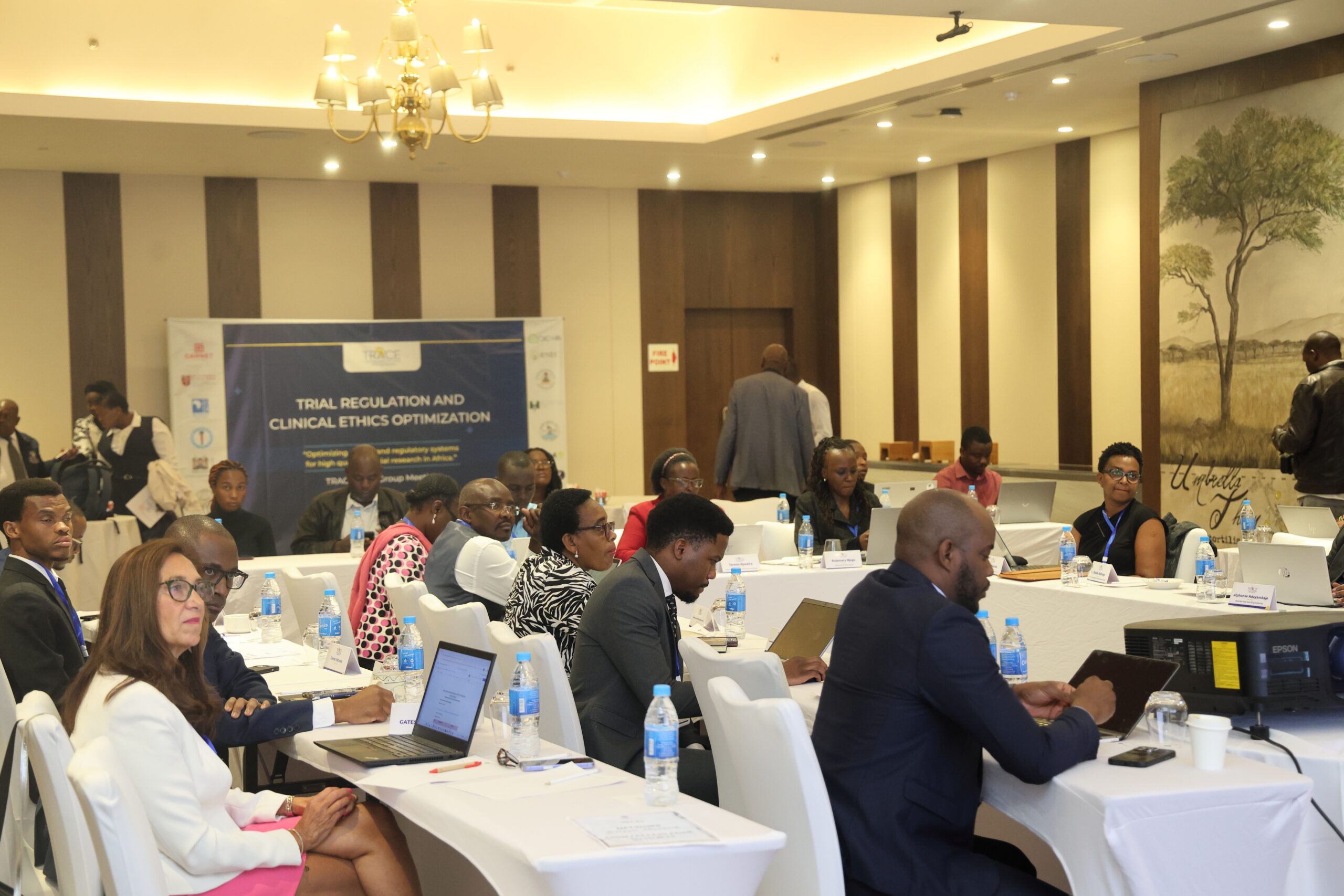
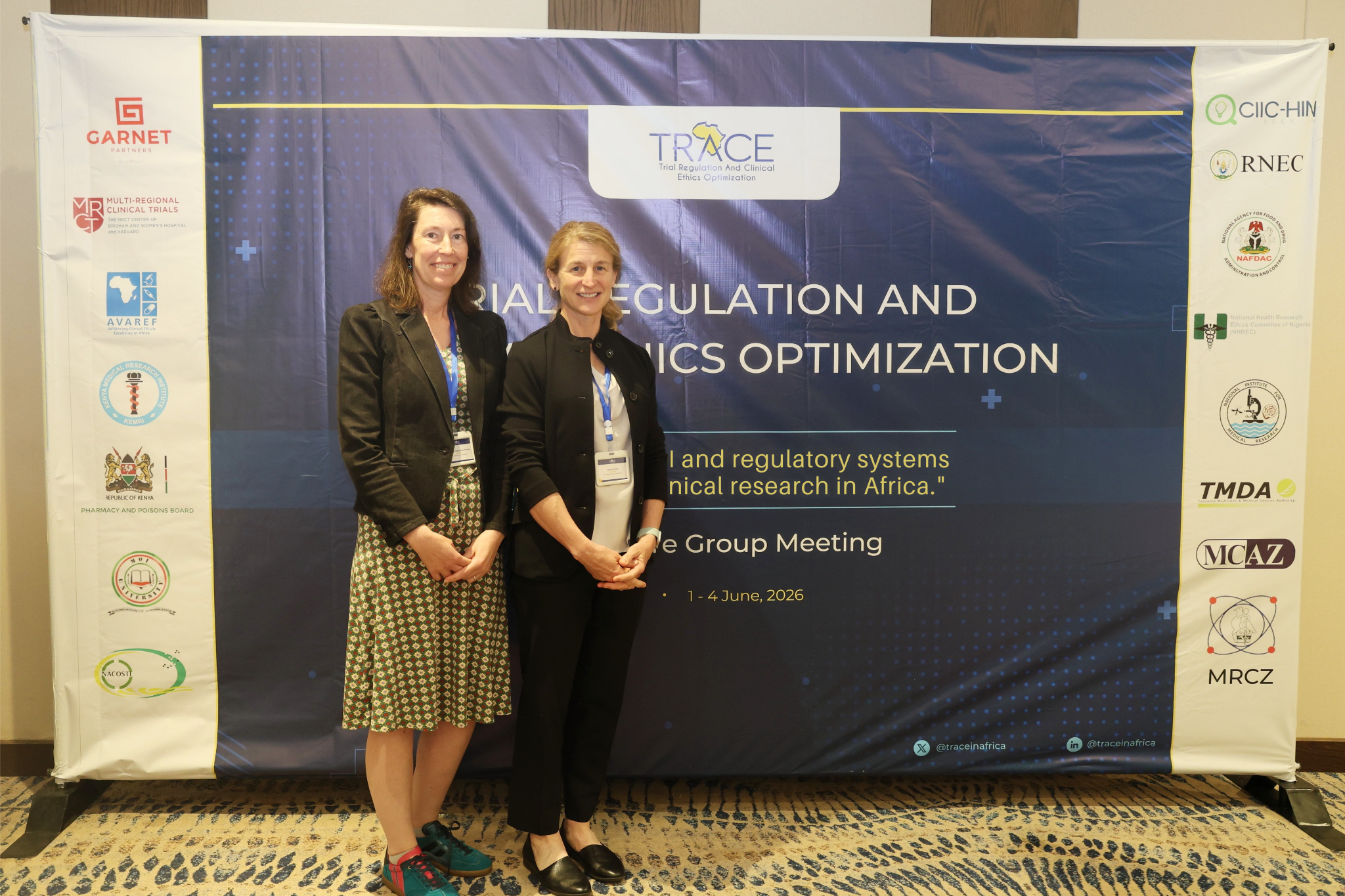
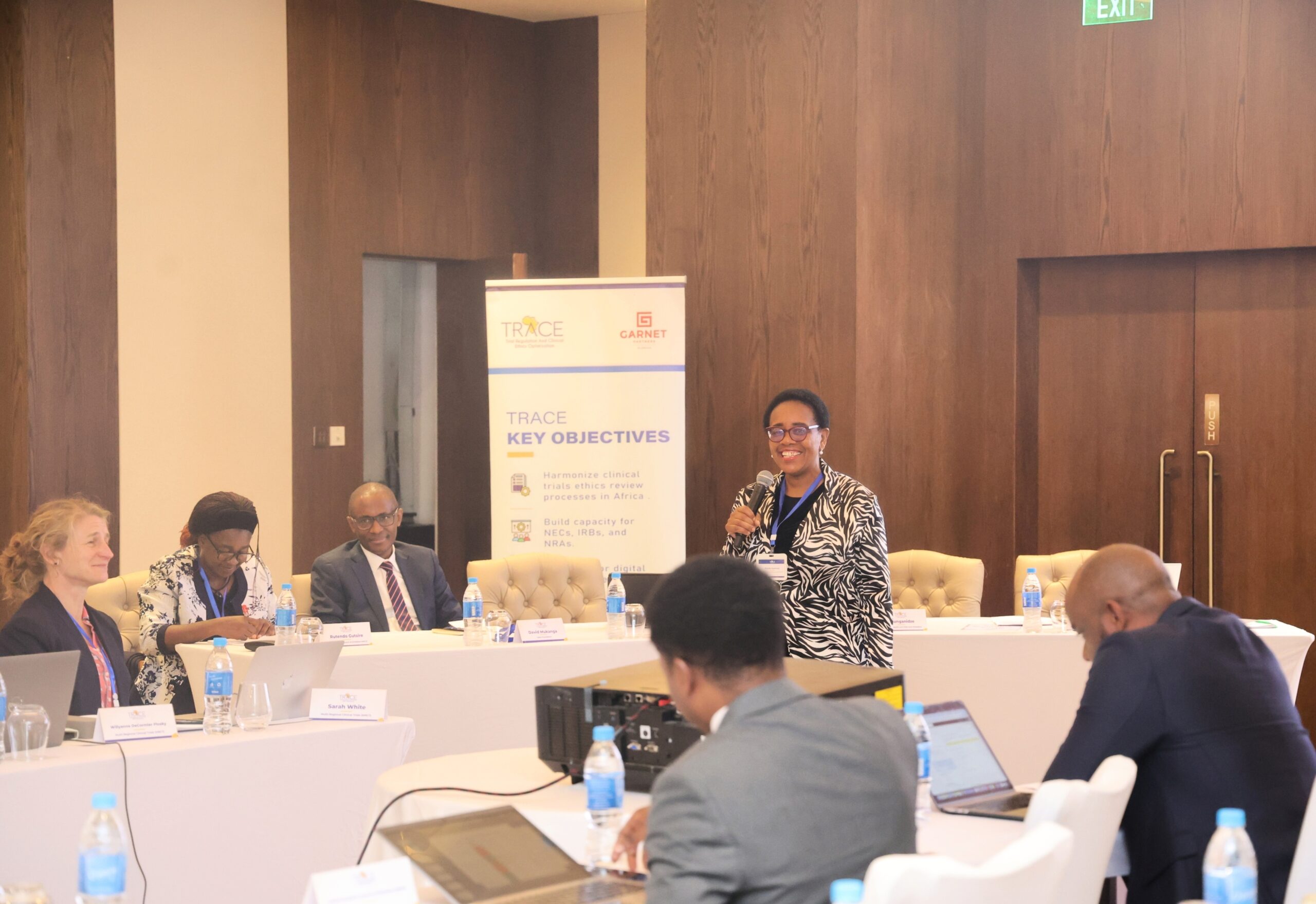
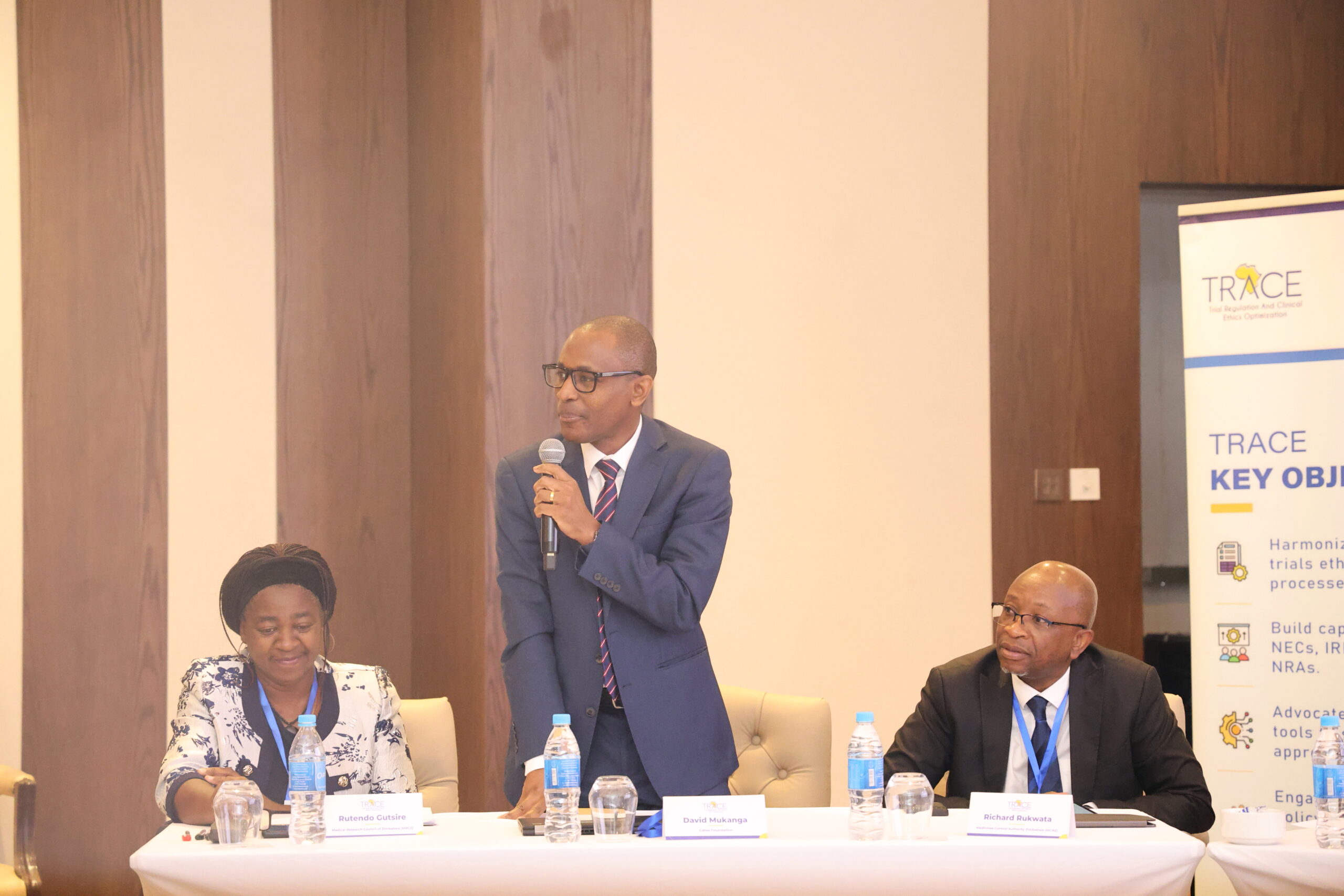
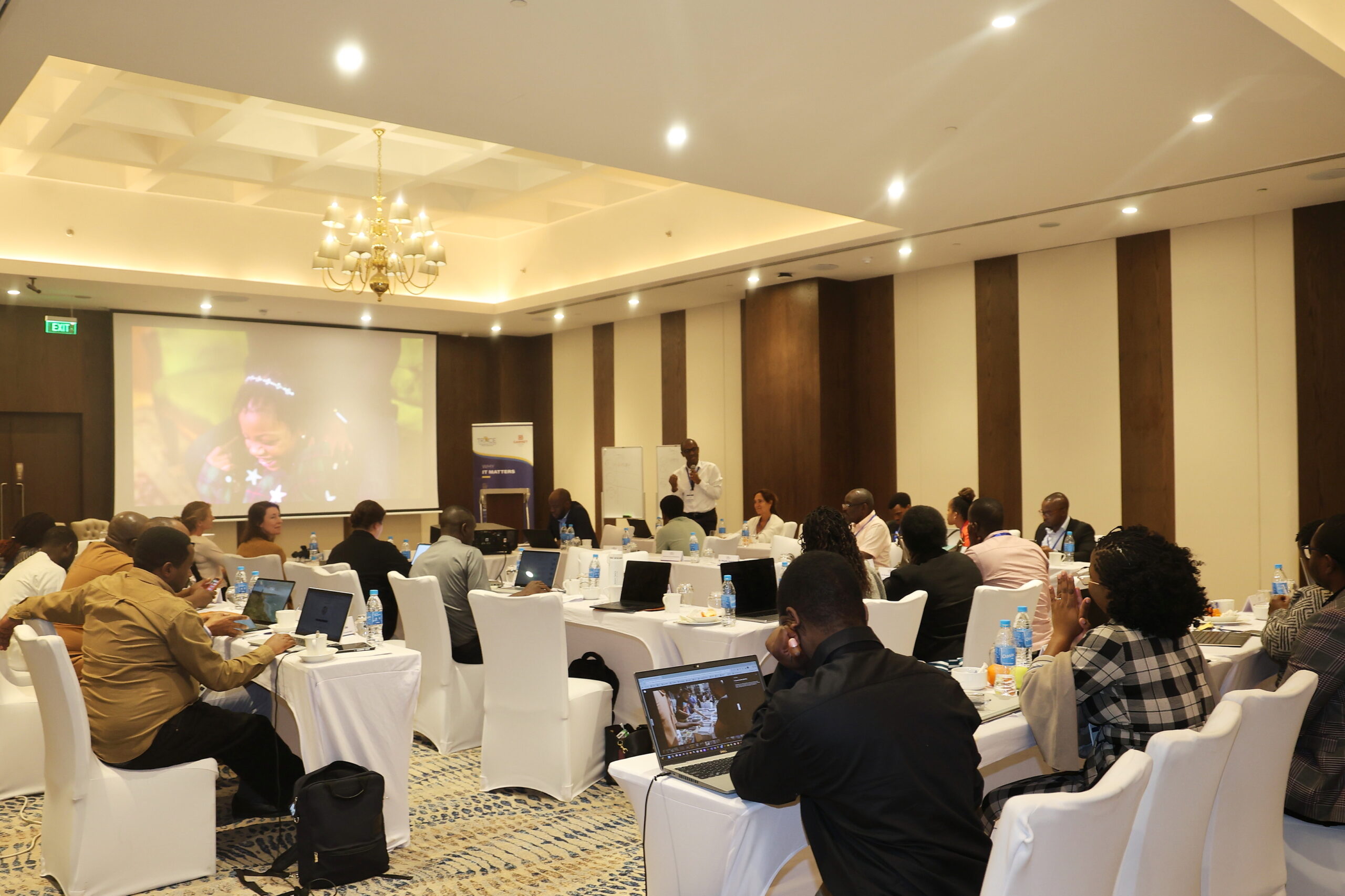
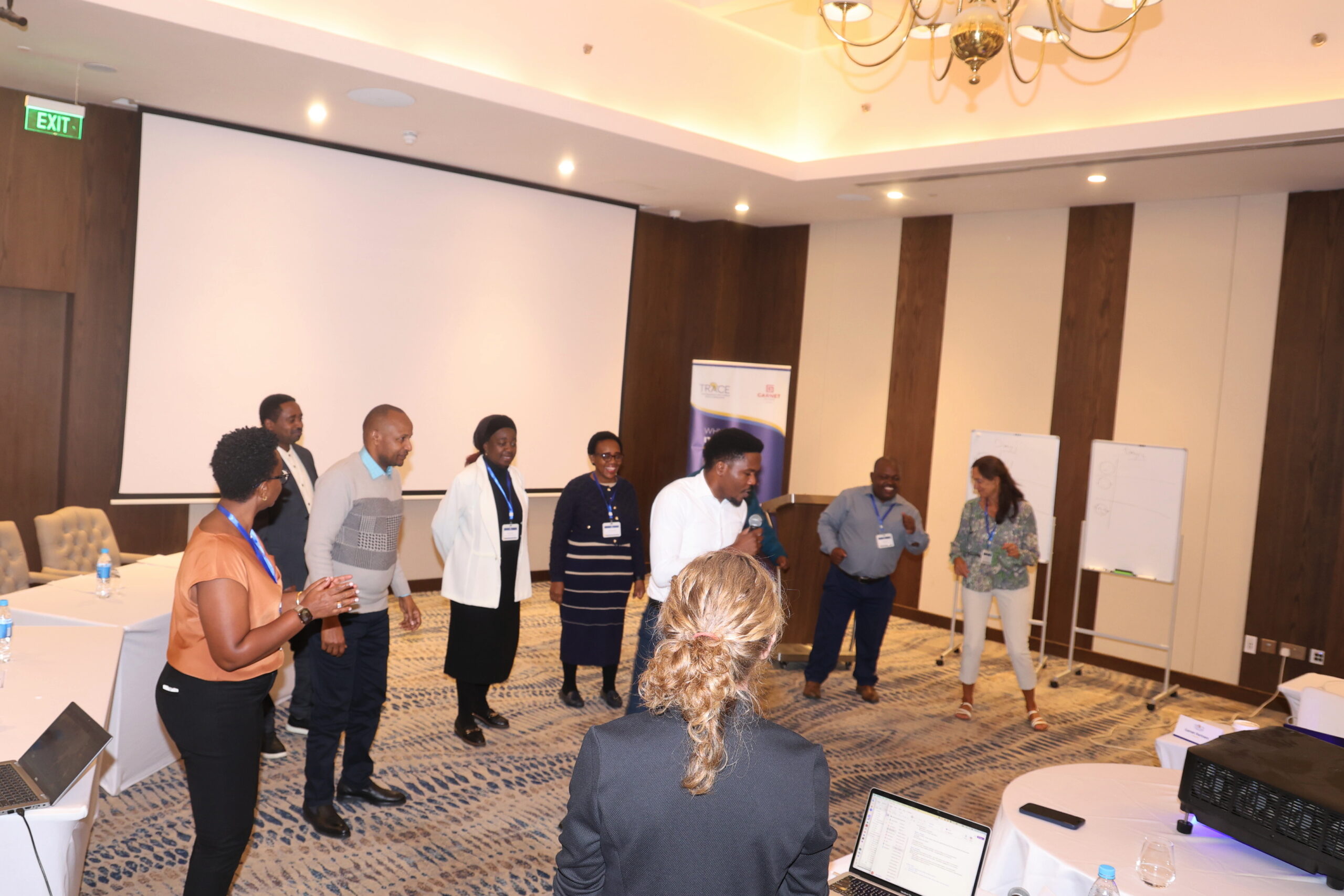
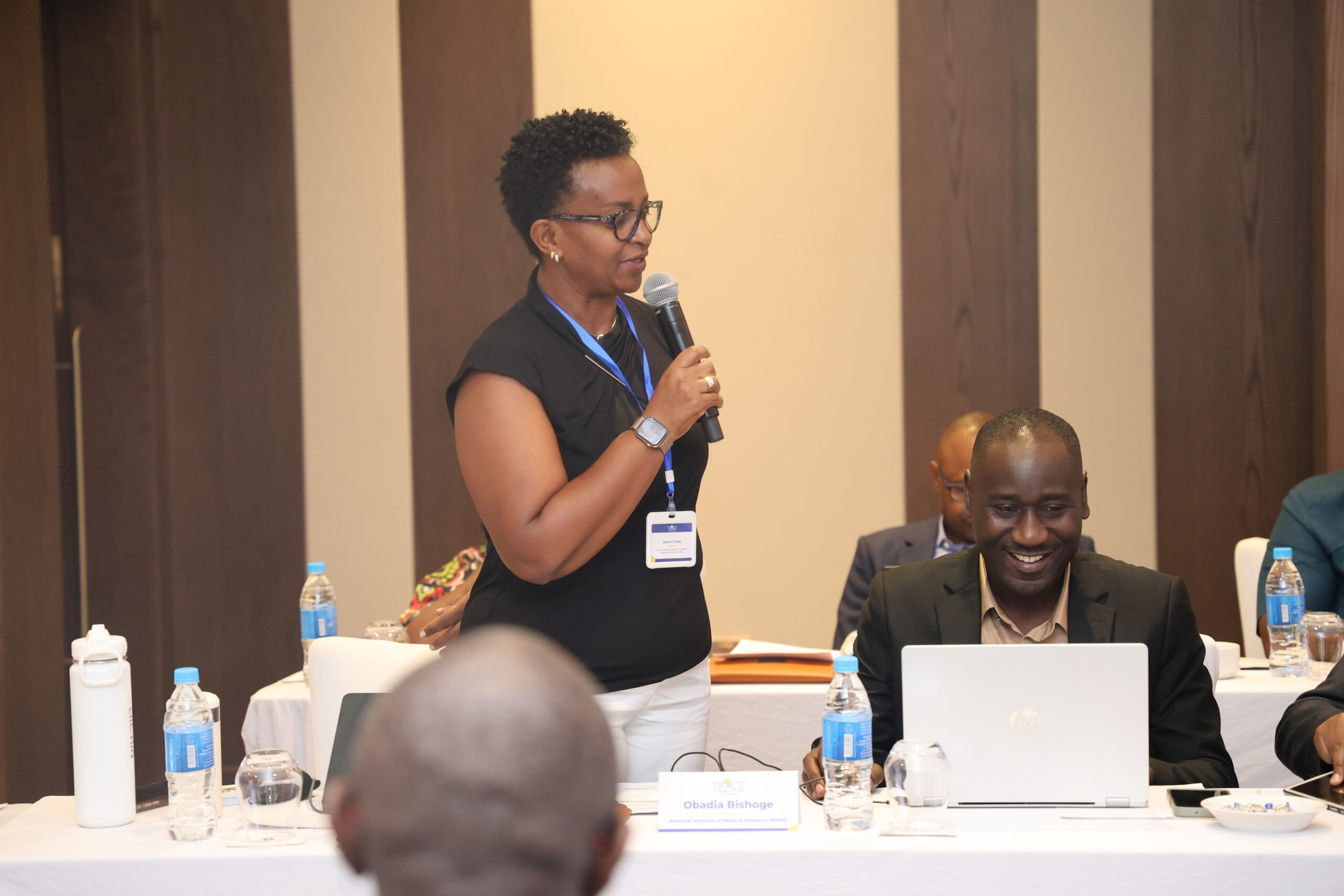
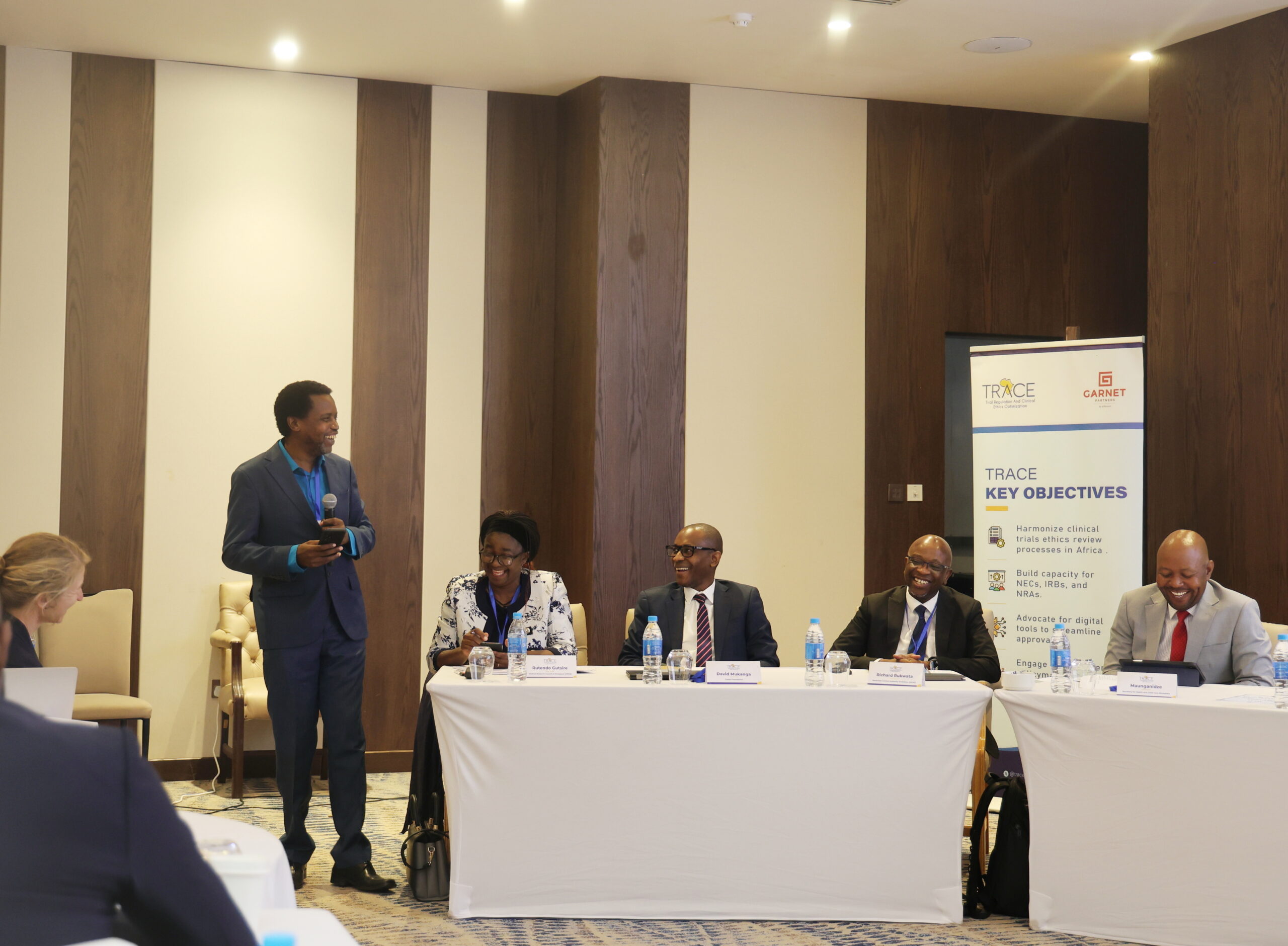
In early June, the TRACE core team convened in Harare, Zimbabwe, hosted by the Medicines Control Authority of Zimbabwe (MCAZ), with opening remarks from MCAZ leadership and the Gates Foundation and a keynote from Dr. Aspect Jacob Vengani (AJV) Maunganidze, Zimbabwe’s Permanent Secretary for the Ministry of Health and Child Care. Over four days, all five countries reported progress against project milestones and worked through the practical challenges of strengthening national ethics oversight: shortening protocol review timelines, advancing accreditation and in-country reliance models, and building toward financial sustainability. Each country left Harare with concrete commitments and timelines for the months ahead, with continued technical support from the MRCT Center. The meeting reaffirmed the Center’s role as technical lead and coordinating partner across the five-country partnership.

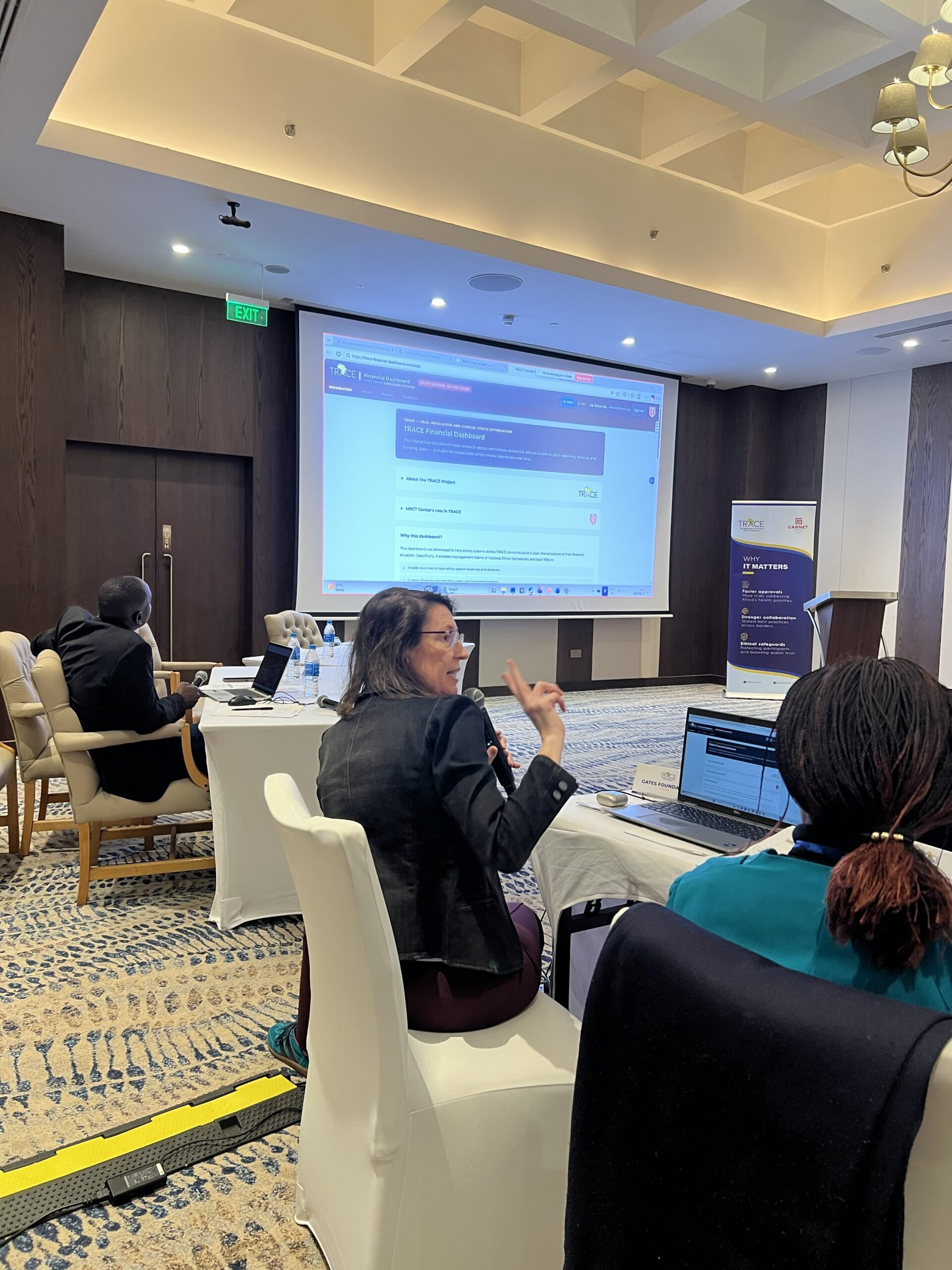
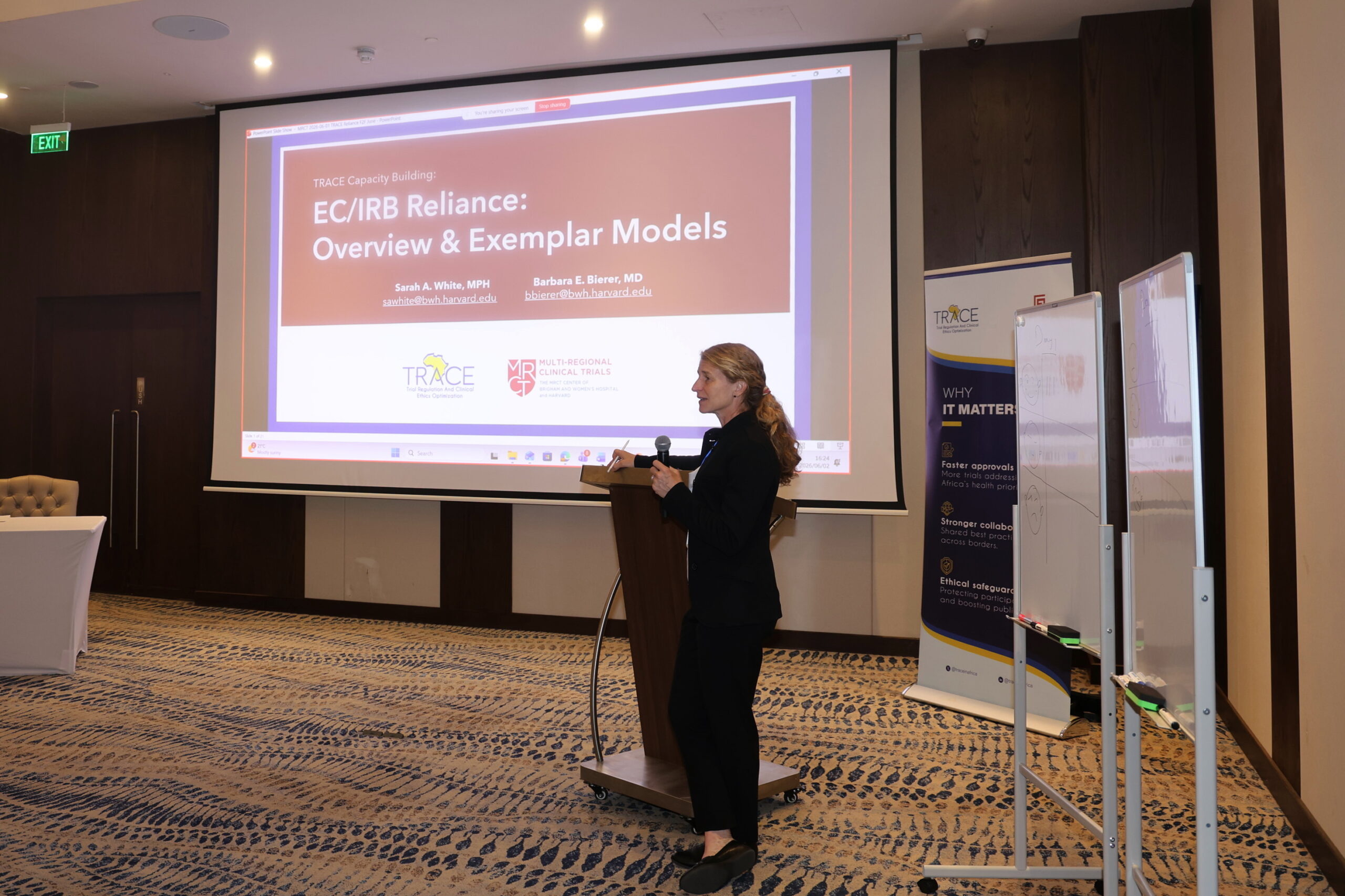
Each TRACE country used the meeting to report progress against project milestones and to surface the practical challenges of strengthening national ethics oversight systems and coordinating with regulatory systems. Day 1 focused on ethics committee readiness and country progress towards achieving protocol review and approval within 60 days of submission, including parallel submission and identifying where delays were occurring between ethics and regulatory review. Day 2 focused on developing and revising necessary SOPs and guidelines to achieve readiness, and on discussing exemplar models of ethics committee accreditation and in-country reliance, with MRCT providing updates and facilitating a working session in which each country agreed on its direction forward. Day 3 addressed digital systems, with live demonstrations from Zimbabwe and Tanzania, followed by a financial sustainability workstream led by the MRCT Center’s Willyanne DeCormier Plosky, who guided countries through financial questions and an advocacy template to support government and other funding. Dr. DeCormier Plosky also demonstrated a prototype digital dashboard developed by the MRCT Center that can be customized by country teams for tracking, visualizing, and forecasting expenses and revenue. Day 4 focused on country metrics, including ethics review timelines, project budgets, and potential paths forward, culminating in each country presenting its top commitments and timelines for the months ahead.

The meeting closed with country teams carrying forward concrete commitments, from completing IRB training, digital platform rollouts, and revised codes of ethics, to finalizing fee structures and joint applications, inclusive of all five countries, for additional sources of grant funding. In addition, the MRCT Center, it will continue its support, including guidance in developing SOPs and tools for EC review and ongoing technical assistance for developing sustainable accreditation and reliance models. As the TRACE partnership moves toward its 2026 and 2027 milestones, the meeting in Harare reaffirmed the MRCT Center’s role as technical lead and coordinating partner across a partnership spanning five countries and a shared commitment to stronger, more sustainable research ethics systems.


MRCT Center participated in two Health Literacy workshops

Plain Language for Health. A Writing and Design Workshop for Health Research and Practice (March 28-29)

The MRCT Center co-sponsored a two-day workshop held by Tufts on March 28th-29thfocused on how to use plain language principles to improve research-related communications.  Approximately 70 attendees from academic medical centers, the public health field and pharmaceutical companies attended.

Our very own Health Literacy in Clinical Research workgroup co-chair, Christopher Trudeau, focused an entire day of the workshop on how to develop informed consent forms using health literacy principles given the recent Common Rule revisions.  In addition, Sarah White and Sylvia Baedorf Kassis sat on two separate panels to share their perspectives on how health literacy can be integrated into consent processes and clinical trials at large, respectively.

NASEM Roundtable on Health Literacy. A Workshop on Health Literacy in Clinical Trials: Practice and Impact (April 11)

On April 11, Barbara Bierer gave the opening keynote at the National Academies of Science, Engineering, and Medicine Roundtable on Health Literacy “Workshop on Health Literacy in Clinical Trials: Practice and Impact.”  The need for health literacy in clinical research was described as an ethical imperative and a practice that could benefit participants andresearch studies.  The connection between health literacy and diversity efforts was made even more evident over the course of the day’s discussions. Inclusive community engagement and research education at various points of an individual’s healthcare journey, were identified as critical to supporting research awareness, understanding, and participation.  A repeated theme of the day was the need for greater sensitivity when considering the context within which research information is presented and discussed.  A summary report of the workshop will be released by the Roundtable on Health Literacy later this year.

Proceedings and Presentations Available from MRCT Center’s 2016 Annual Meeting

The MRCT Center 2016 Annual Meeting was held on December 7, 2016 and was attended by about 80 stakeholders, including representatives from academia, governmental agencies, institutional review boards, the pharmaceutical industry, and non-profit organizations.

The major themes of the MRCT Center 2016 Annual Meeting included the draft ICH E17 guidelines, data sharing and data transparency, and individual return of results (IRR). The draft ICH E17 guidelines, which delineates guidelines for the development of multi-regional clinical trials (MRCTs) for drug development and approval in regulatory authorities around the world were addressed, and a dynamic group discussion followed. Next, data sharing and data transparency were addressed, including the MRCT Center’s work to create Vivli, an independent non-profit center for global research data and invited speakers shared their insights on this pivotal topic. Dr. Murray Stewart (GlaxoSmithKline), the keynote speaker, addressed the current state of data transparency, and the value of global clinical trial data sharing. Finally, the Individual Return of Results (IRR) Working Group presented two major deliverables, the IRR Recommendation Document and IRR Toolkit, and outlined the eight principles the group has drafted. Invited speakers offered their perspectives and suggested revisions on the MRCT Center’s IRR documents.

Proceedings from this meeting are available and presentations are available for sponsors below.

2017-03-07 ANNUAL MEETING Proceedings

2017-12-22 ANNUAL MEETING Slides

Proceedings, Presentations and Annual Report Available from MRCT Center’s 2015 Annual Meeting

The MRCT Center 2015 Annual Meeting was held on 15 December 2015 and was attended by about 70 stakeholders from academia, governmental agencies, pharmaceutical industry, patient advocates, non-profit organizations, institutional review boards and others. The MRCT Center 2015 Annual Progress Report was released at the meeting.

The major themes of the MRCT Center 2015 Annual Meeting included Post-Trial Responsibilities and Data Transparency. The Post-Trial Responsibilities (PTR) Working Group developed an Ethics Framework with two main deliverables: a PTR Guidance Document and a PTR Toolkit. Invited speakers shared their perspectives and suggestions for revisions. The Data Sharing and Data Transparency Initiative’s current progress on developing a blueprint for a new, not-for-profit entity was presented. Invited speakers shared their perspectives on the project vision to date.

Proceedings from this meeting are now available. Presentations from the Post-Trial Responsibilities working group and from the Data Sharing and Data Transparency Initiative are available for sponsors.

Proceedings, Presentations and Annual Report Available from MRCT Center’s 2014 Annual Meeting

MRCT Center at Harvard 2014 Annual Meeting was held on 3 December 2014 and was attended by by more than 60 stakeholders from governmental agencies, pharmaceutical industry, academia, patient advocates, media representatives and others. MRCT Center at Harvard’s Annual Progress Report 2014 was released at the meeting.

The meeting focused on returning aggregate results to research participants. MRCT Center at Harvard faculty co-directors presented drafts of the Return of Results Guidance Document and Toolkit which was followed by perspectives from various stakeholders. In addition, the faculty co-directors gave an overview of MRCT Center at Harvard’s work in India addressing regulatory issues, causality determination, and compensation calculation. Presentations and Proceedings from this meeting are now available

Clinical Trial Data Sharing and Transparency Conference Draws Nearly 200 Participants

The Issues and Case Studies in Clinical Trial Data Sharing: Lessons and Solutions Conference, held on May 17th, 2013, drew close to 200 participants and proved to be an exceptional platform to discuss matters surrounding clinical trial data sharing.

Harvard MRCT is grateful to all the Conference Speakers, Panelists, and attendees who made this a stimulating and productive day.

Conference slides are available here