

The MRCT Center serves as technical lead for the TRACE (Trial Regulatory and Clinical Ethics Optimization) project, a partnership working to strengthen clinical trial ethics capacity across Sub-Saharan Africa. Work with Nigeria, Rwanda, Zimbabwe, and Tanzania expanded in 2026 to include Kenya. The Center supports each country’s distinct needs in capacity building and financial sustainability, with particular attention to parallel submission, registration, accreditation pathways, in-country reliance, and sustainable financing models.
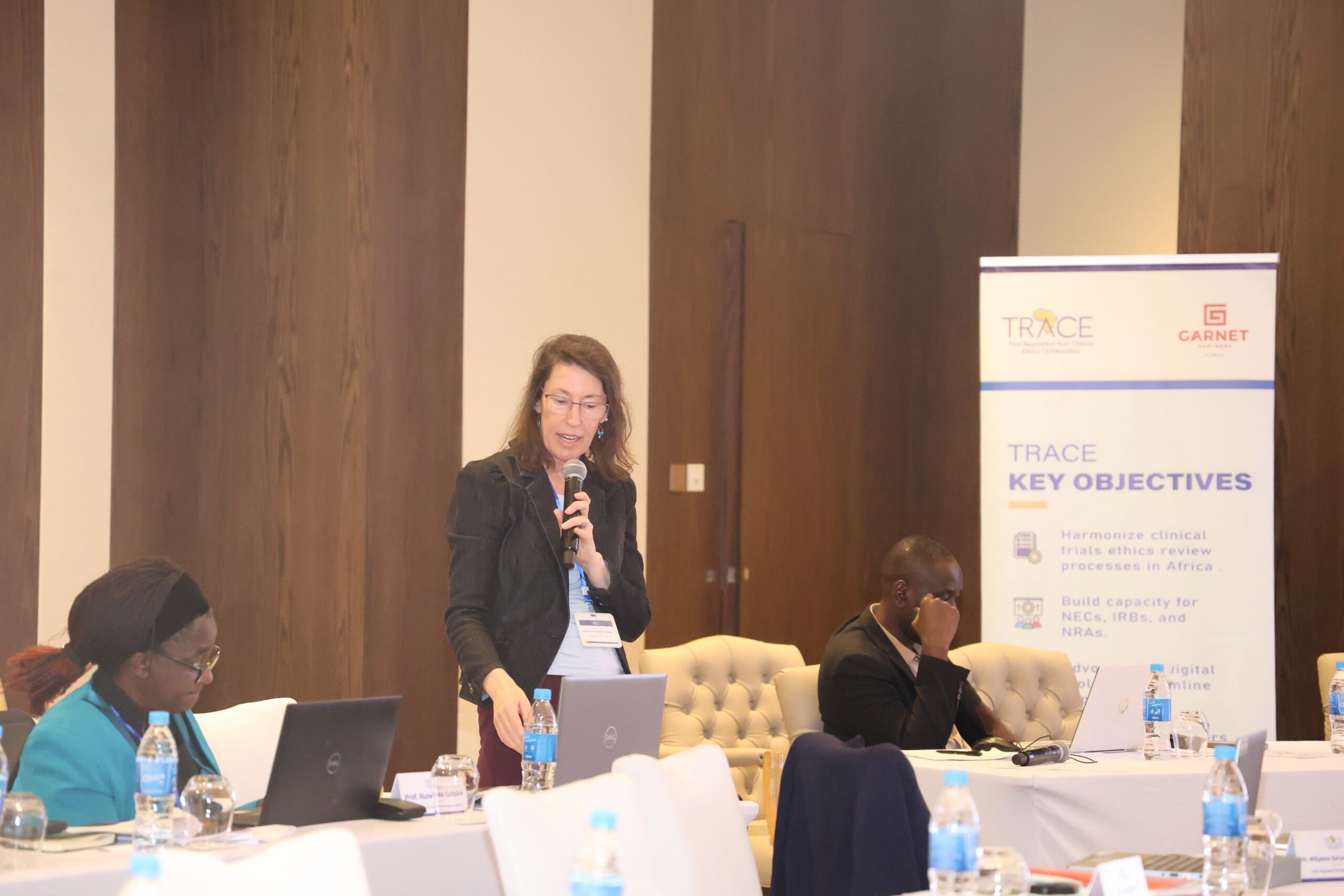
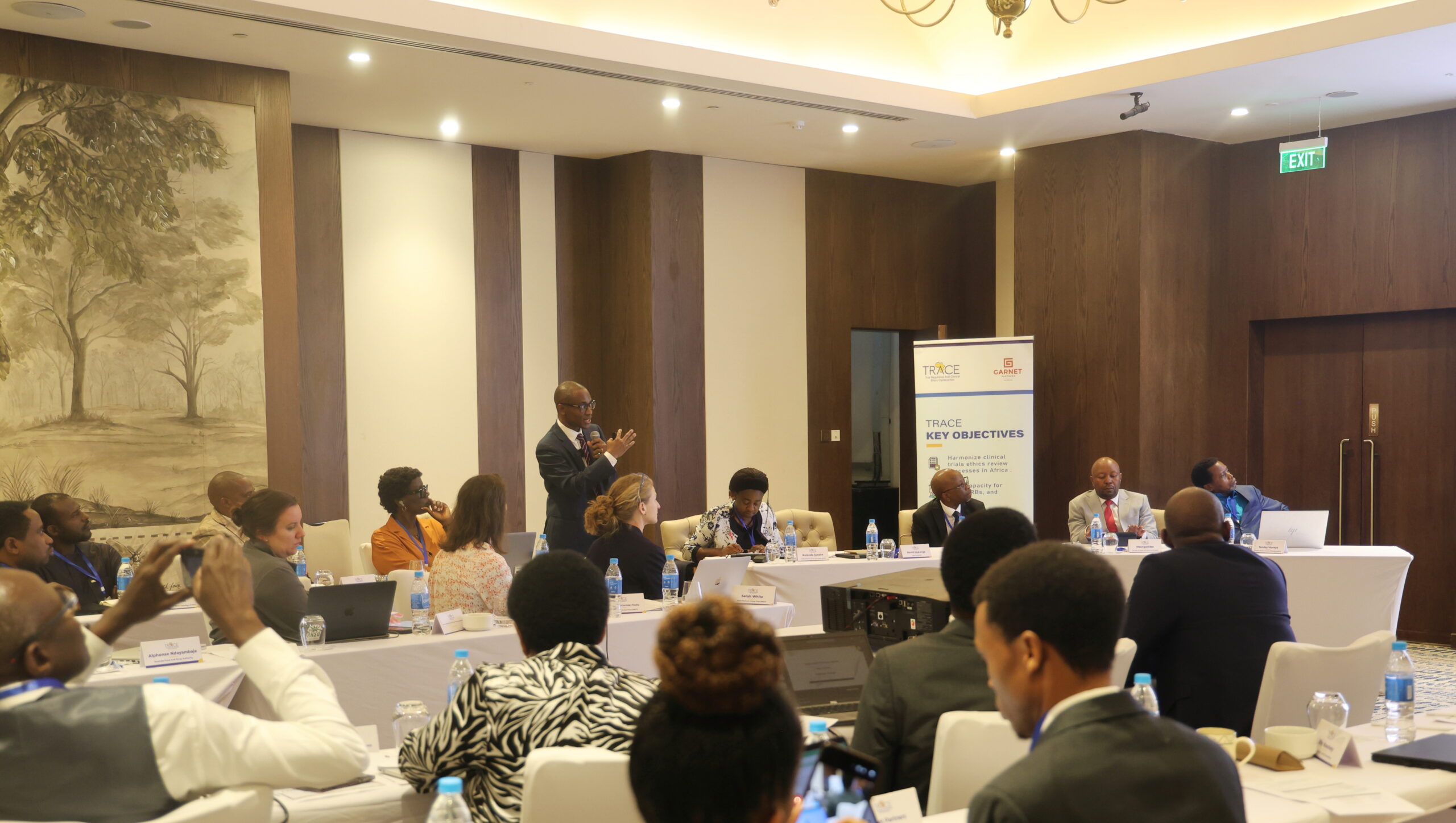
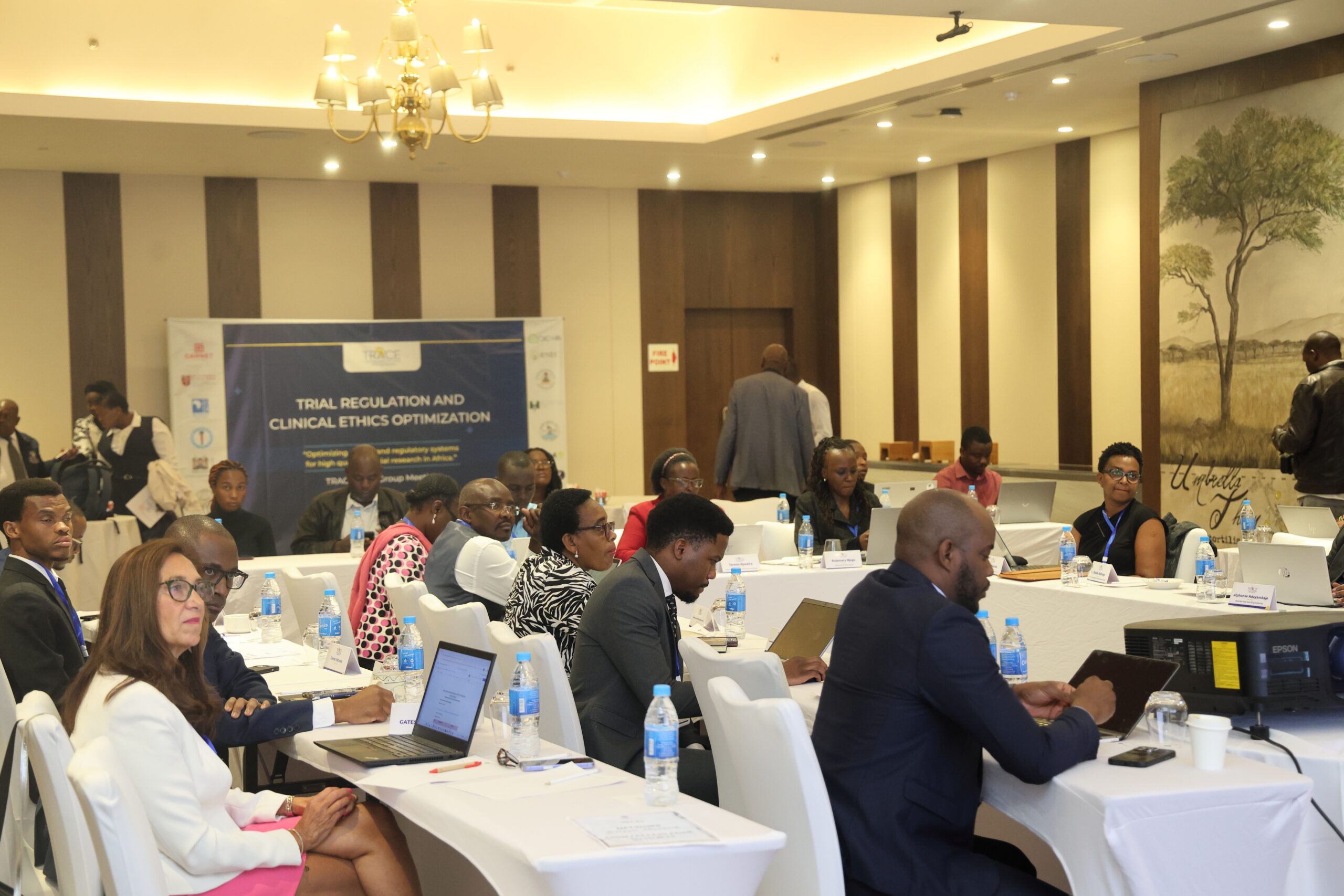
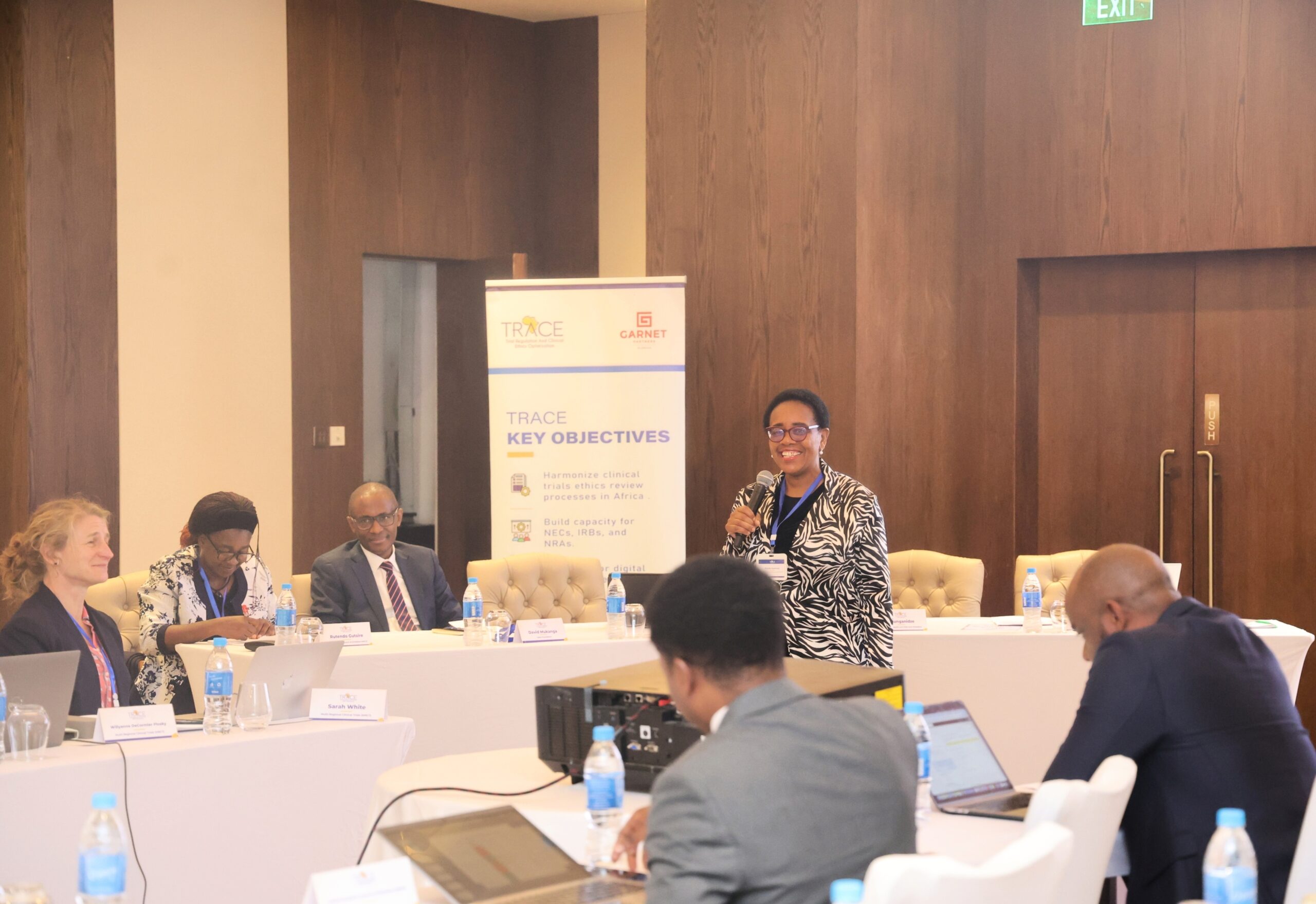
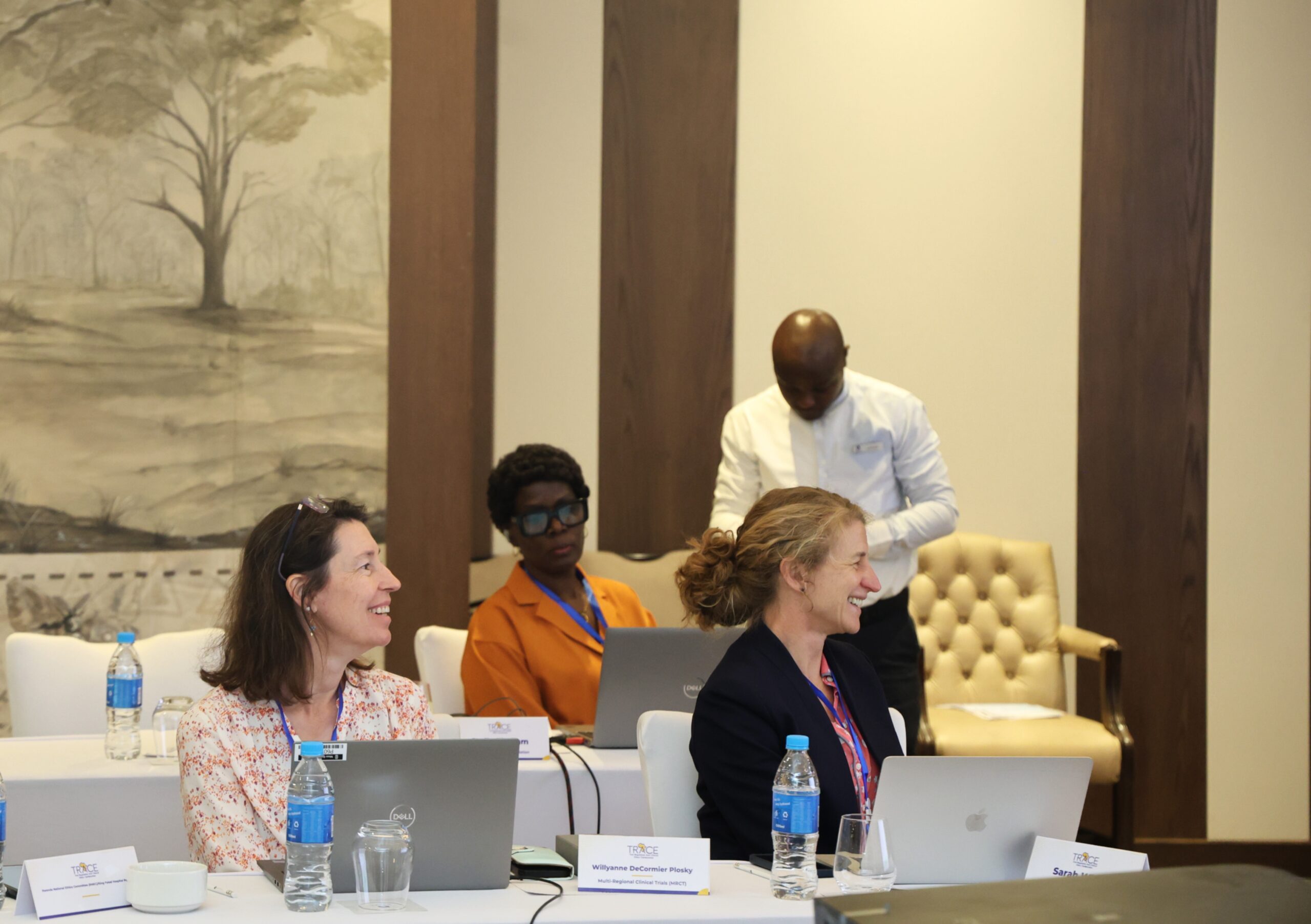
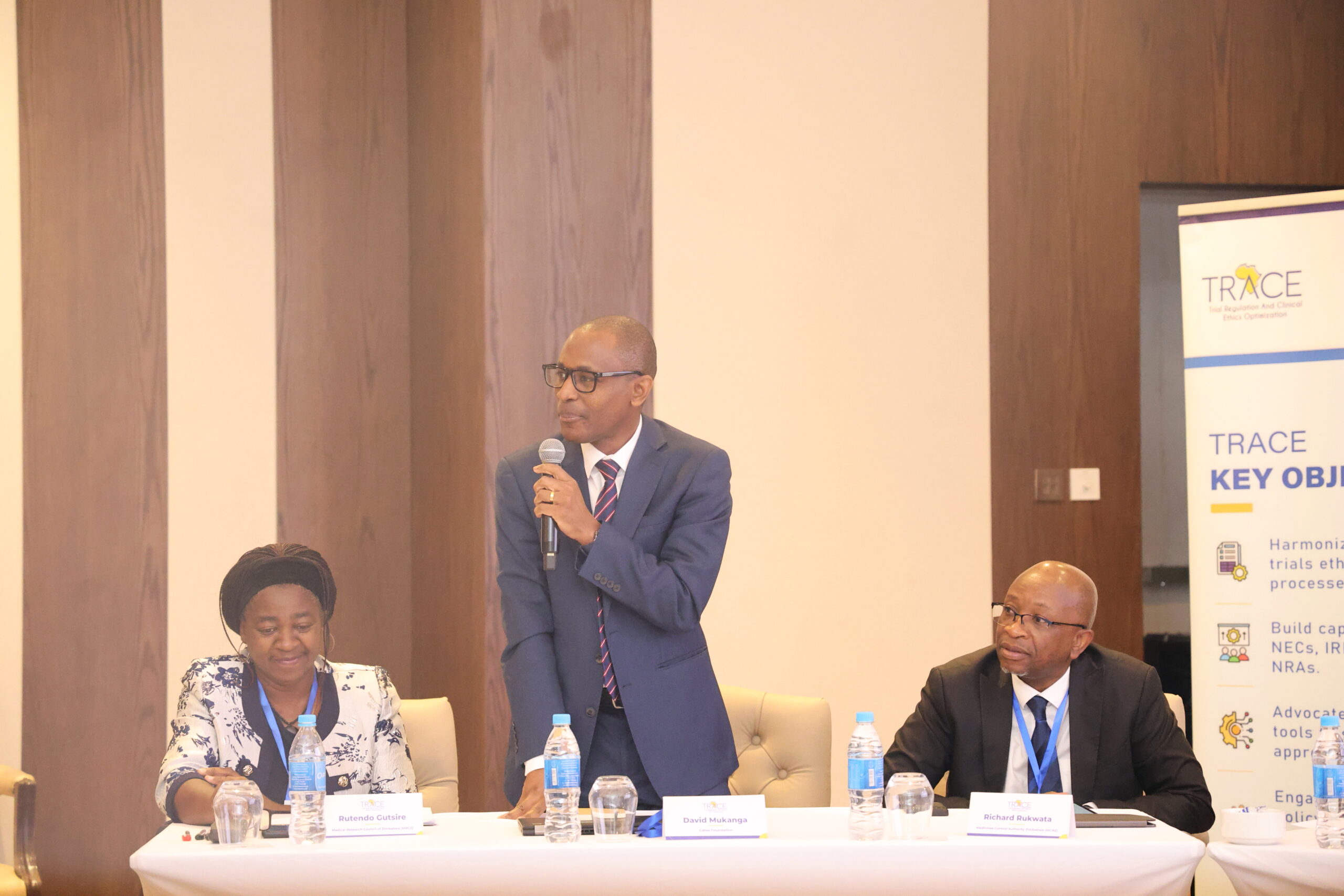
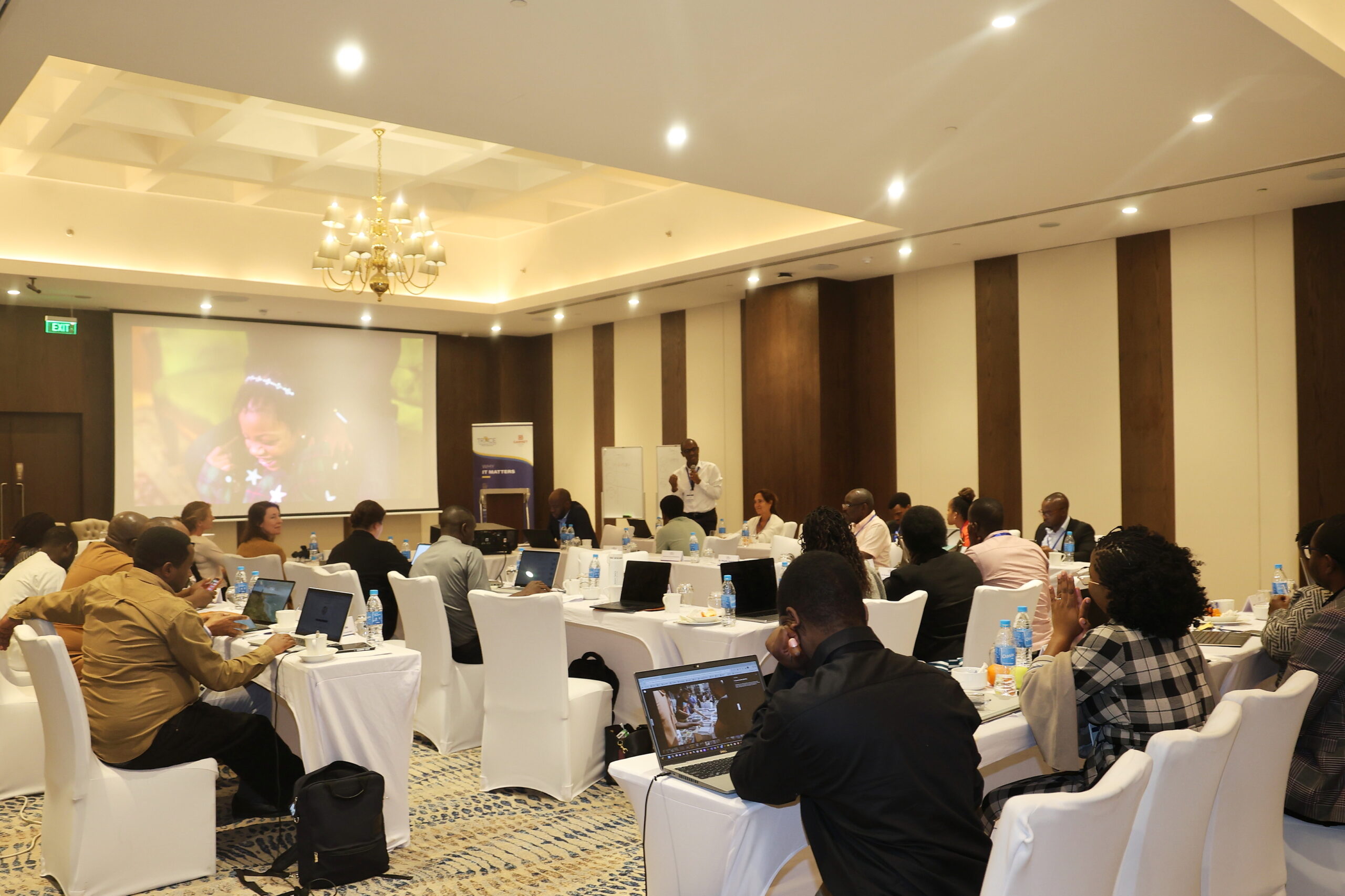
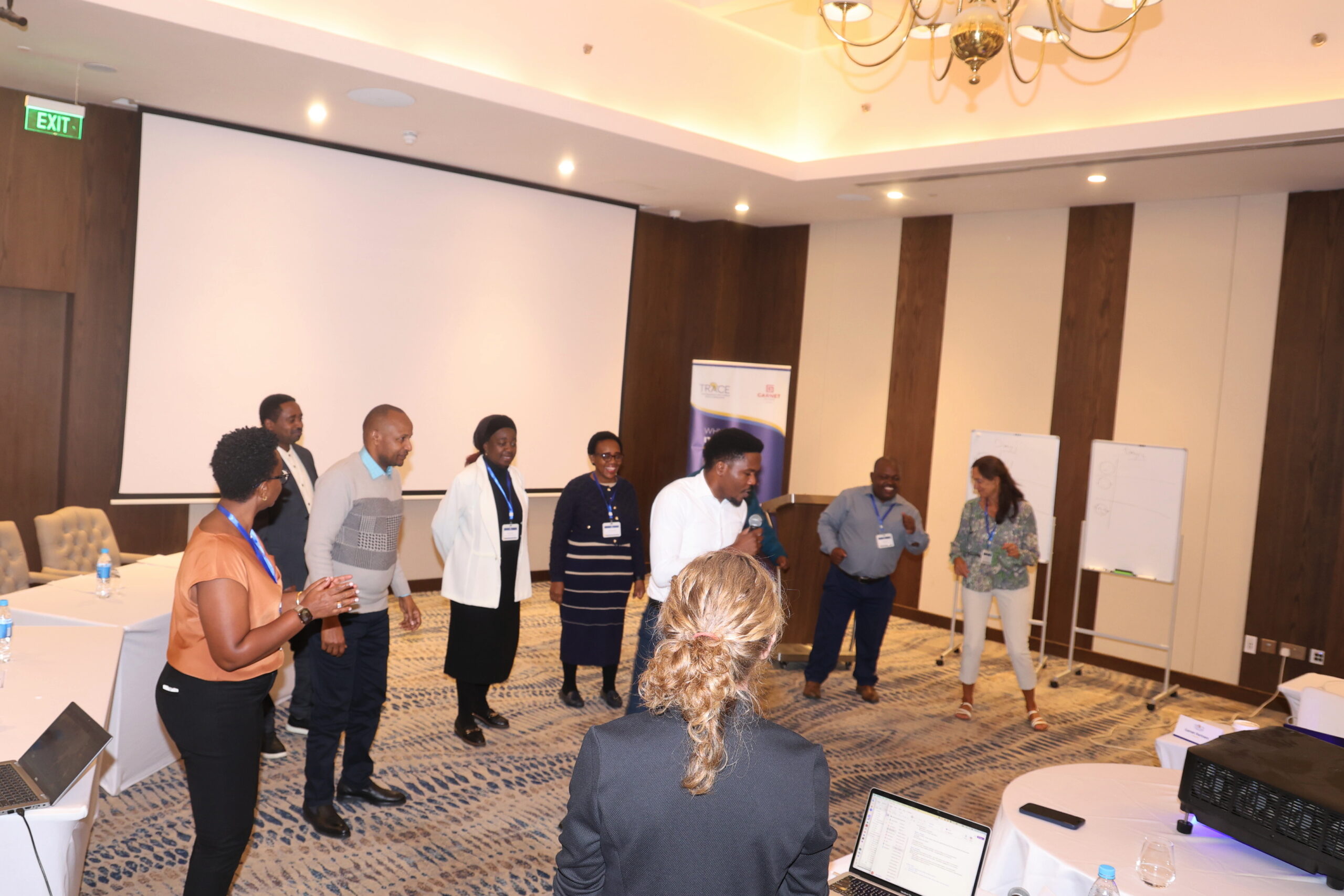
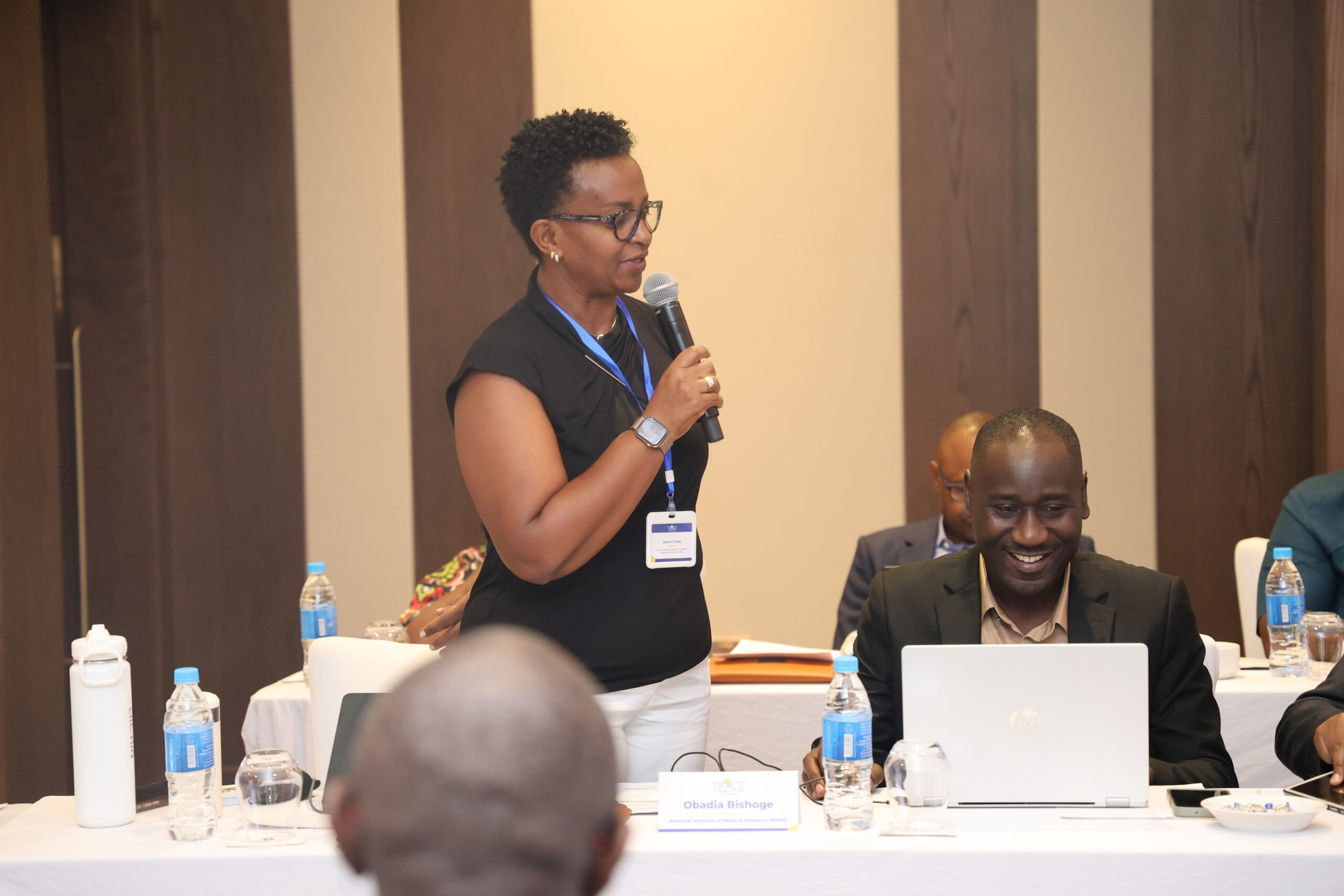
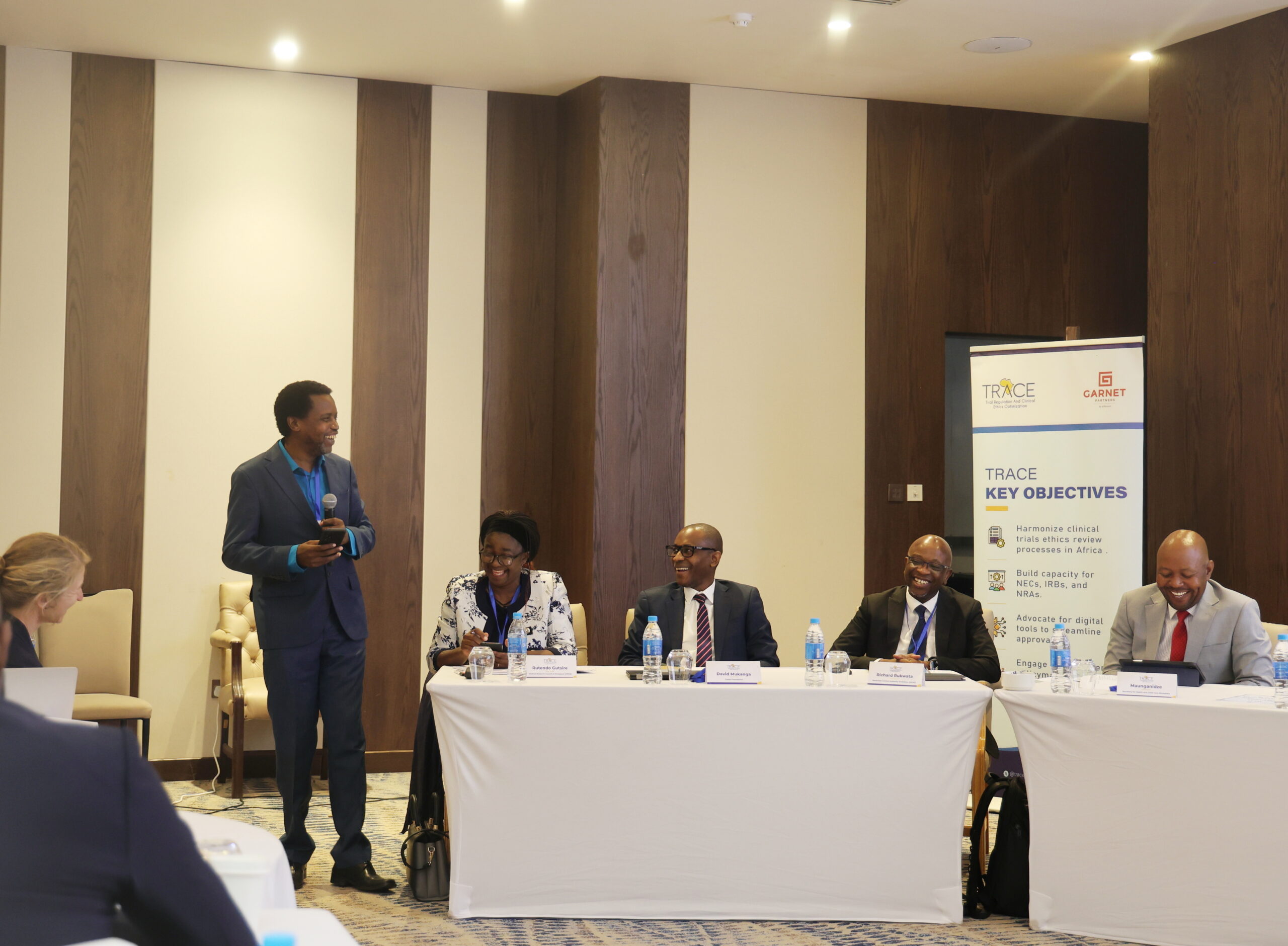
In early June, the TRACE core team convened in Harare, Zimbabwe, hosted by the Medicines Control Authority of Zimbabwe (MCAZ), with opening remarks from MCAZ leadership and the Gates Foundation and a keynote from Dr. Aspect Jacob Vengani (AJV) Maunganidze, Zimbabwe’s Permanent Secretary for the Ministry of Health and Child Care. Over four days, all five countries reported progress against project milestones and worked through the practical challenges of strengthening national ethics oversight: shortening protocol review timelines, advancing accreditation and in-country reliance models, and building toward financial sustainability. Each country left Harare with concrete commitments and timelines for the months ahead, with continued technical support from the MRCT Center. The meeting reaffirmed the Center’s role as technical lead and coordinating partner across the five-country partnership.
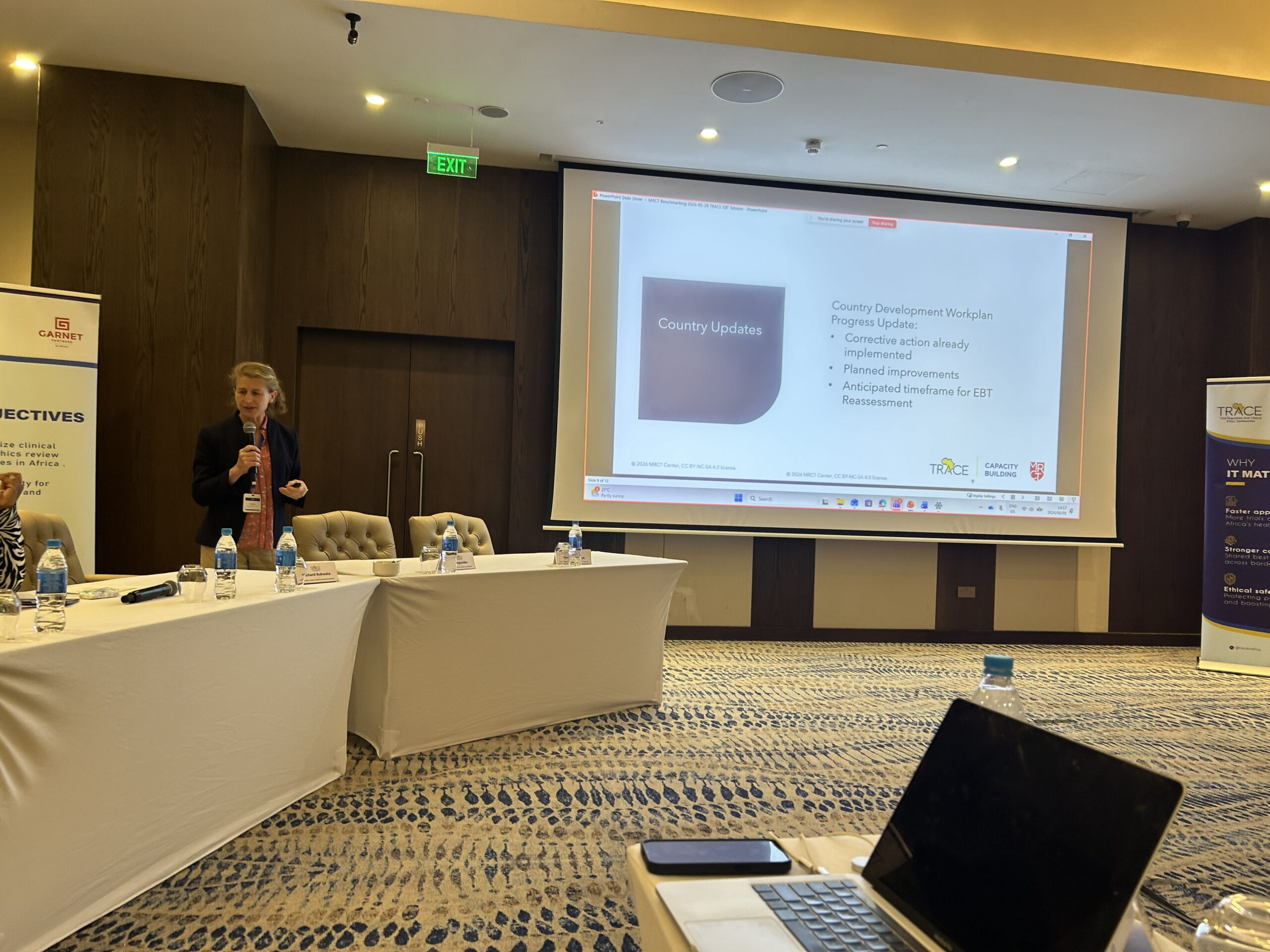
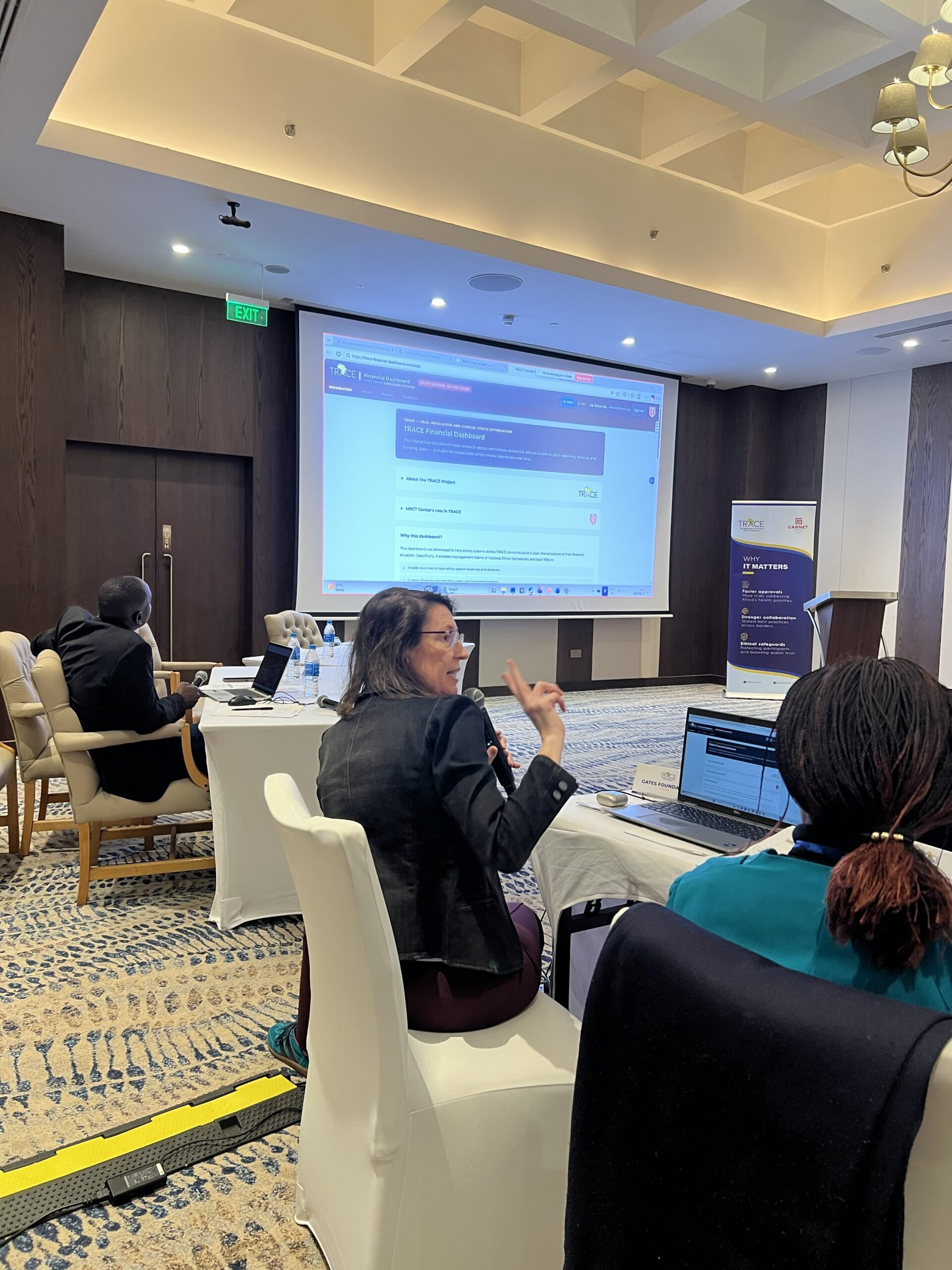
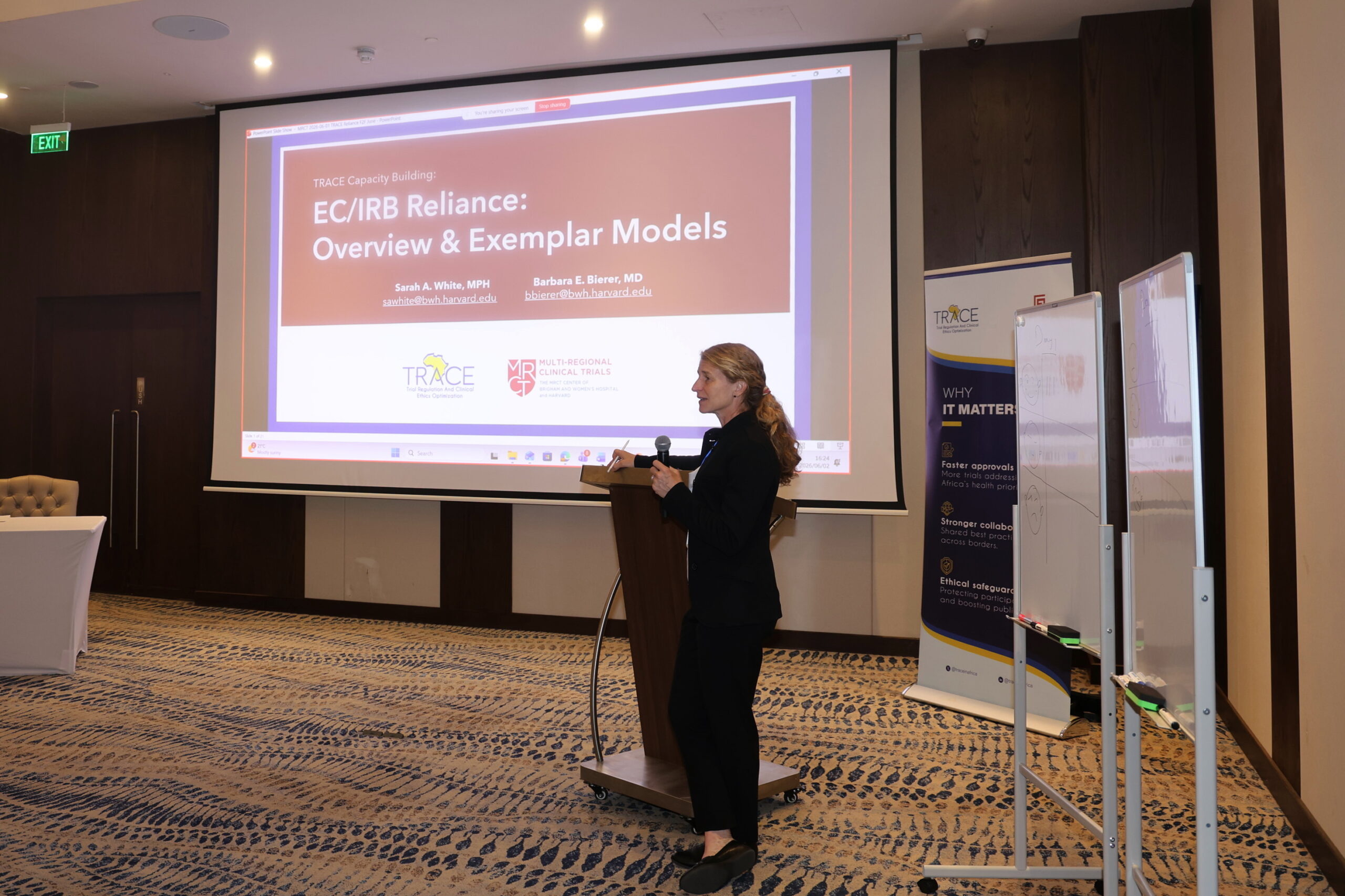
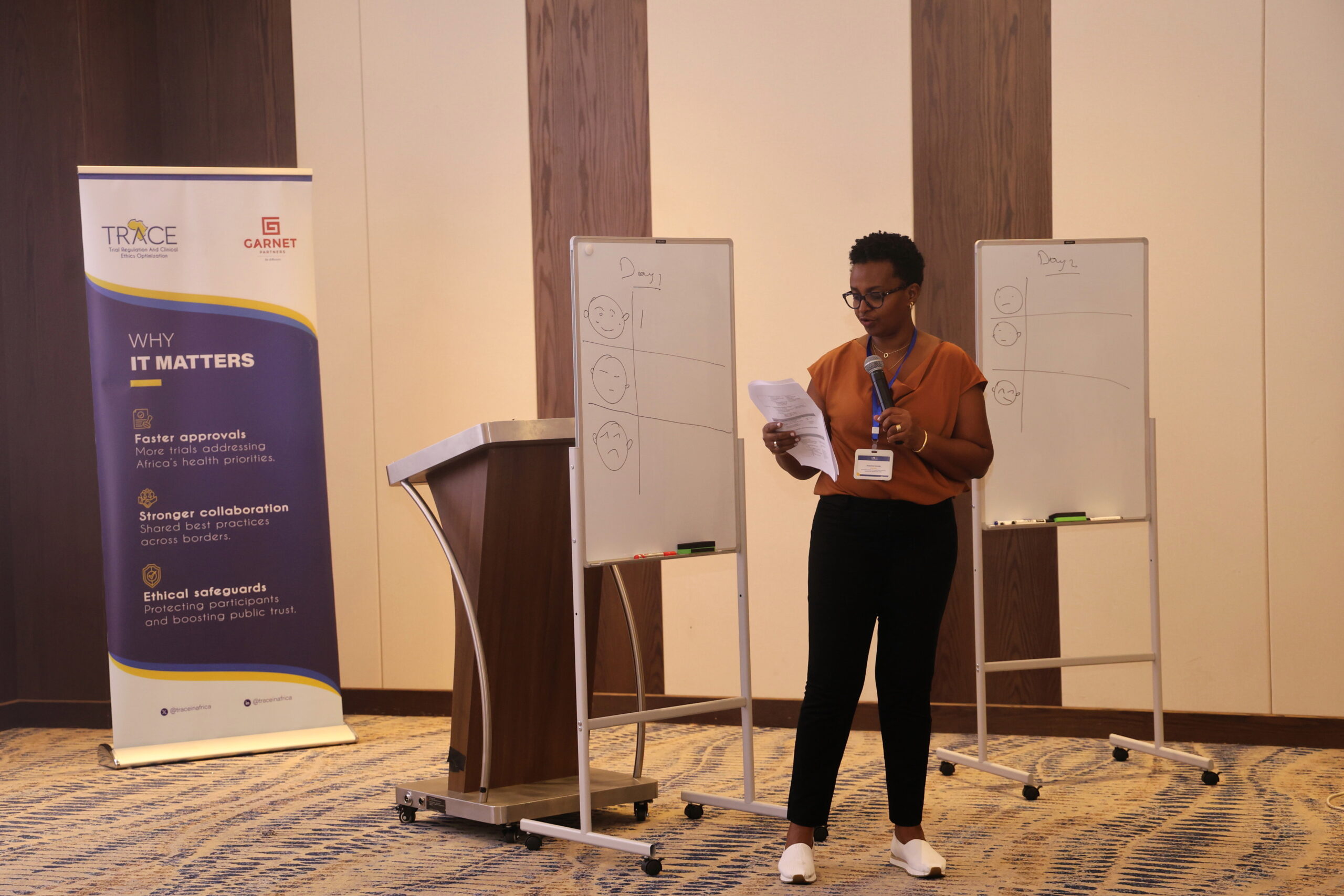
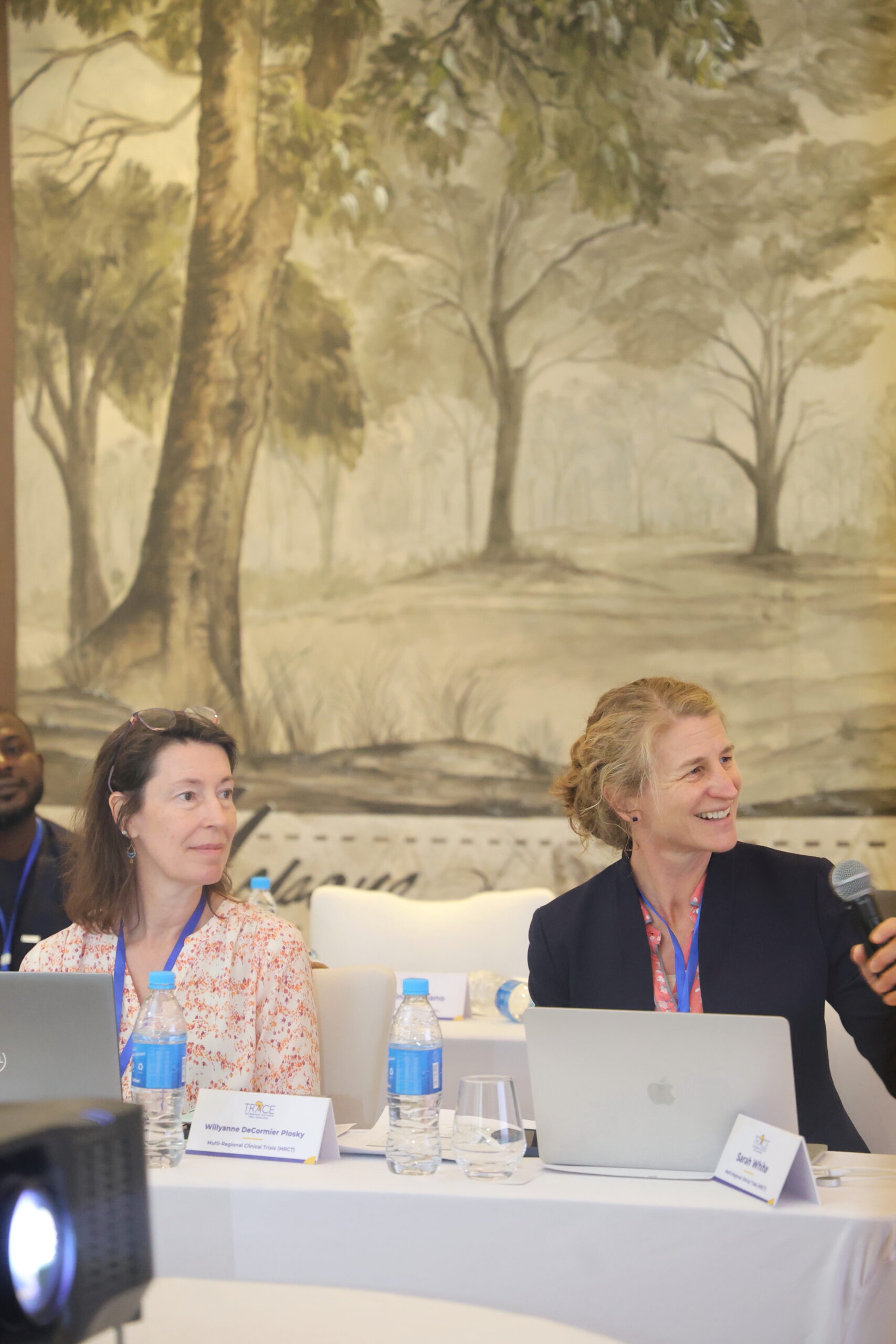
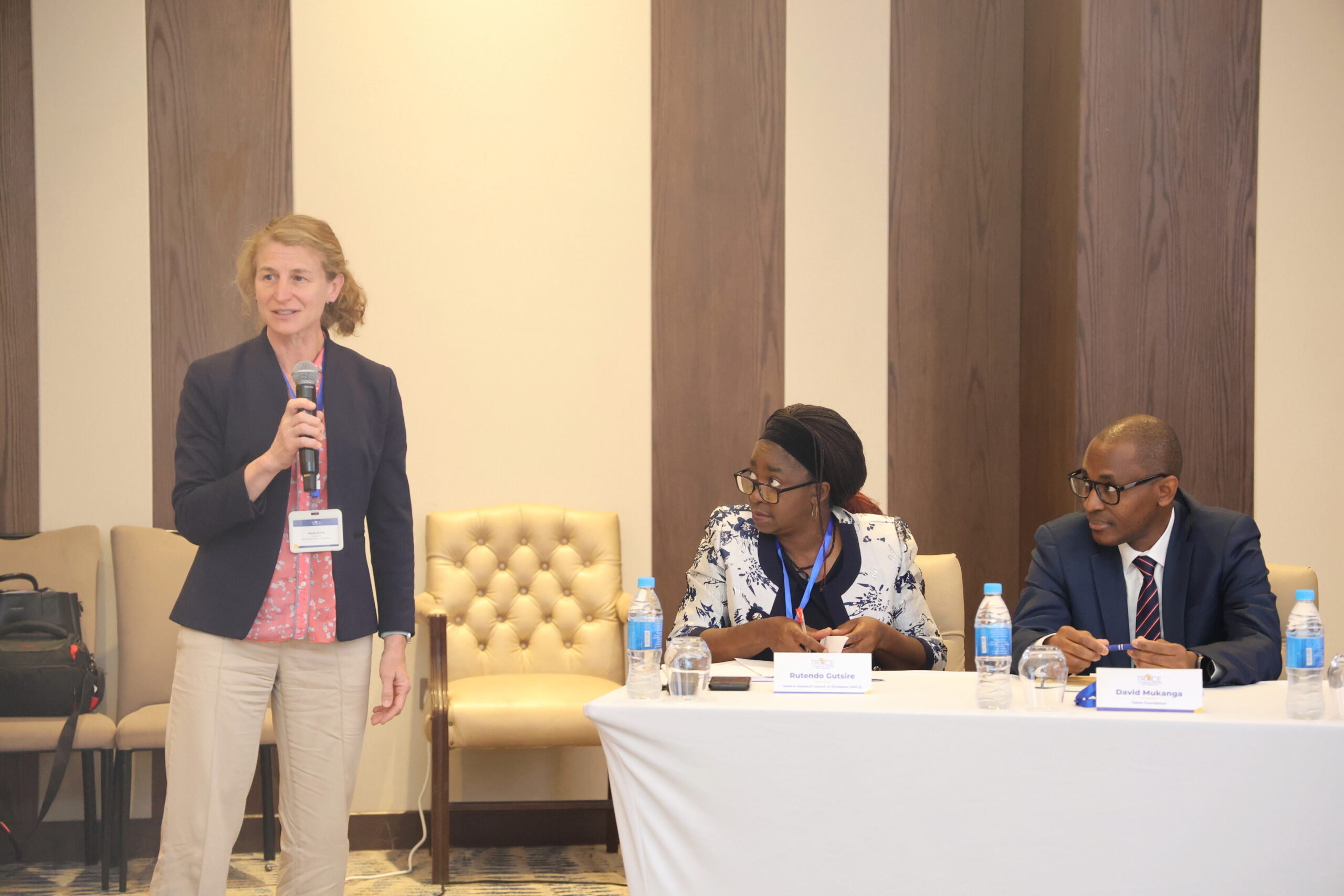
Each TRACE country used the meeting to report progress against project milestones and to surface the practical challenges of strengthening national ethics oversight systems and coordinating with regulatory systems. Day 1 focused on ethics committee readiness and country progress towards achieving protocol review and approval within 60 days of submission, including parallel submission and identifying where delays were occurring between ethics and regulatory review. Day 2 focused on developing and revising necessary SOPs and guidelines to achieve readiness, and on discussing exemplar models of ethics committee accreditation and in-country reliance, with MRCT providing updates and facilitating a working session in which each country agreed on its direction forward. Day 3 addressed digital systems, with live demonstrations from Zimbabwe and Tanzania, followed by a financial sustainability workstream led by the MRCT Center’s Willyanne DeCormier Plosky, who guided countries through financial questions and an advocacy template to support government and other funding. Dr. DeCormier Plosky also demonstrated a prototype digital dashboard developed by the MRCT Center that can be customized by country teams for tracking, visualizing, and forecasting expenses and revenue. Day 4 focused on country metrics, including ethics review timelines, project budgets, and potential paths forward, culminating in each country presenting its top commitments and timelines for the months ahead.
The meeting closed with country teams carrying forward concrete commitments, from completing IRB training, digital platform rollouts, and revised codes of ethics, to finalizing fee structures and joint applications, inclusive of all five countries, for additional sources of grant funding. In addition, the MRCT Center, it will continue its support, including guidance in developing SOPs and tools for EC review and ongoing technical assistance for developing sustainable accreditation and reliance models. As the TRACE partnership moves toward its 2026 and 2027 milestones, the meeting in Harare reaffirmed the MRCT Center’s role as technical lead and coordinating partner across a partnership spanning five countries and a shared commitment to stronger, more sustainable research ethics systems.