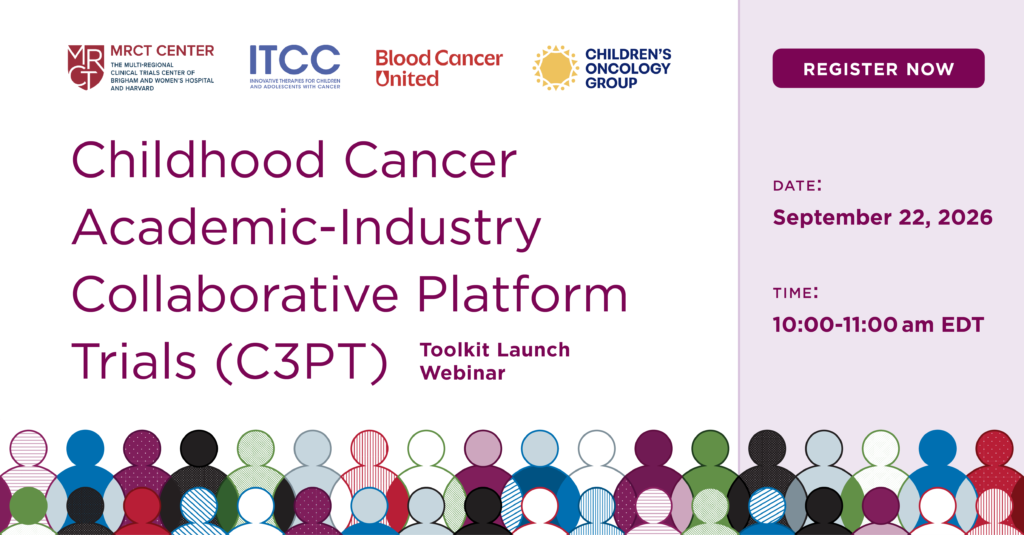
This webinar will explore key challenges, opportunities, and best practices for successful partnerships between academia and the pharmaceutical industry to design and deliver platform trials for children and adolescents with cancer.
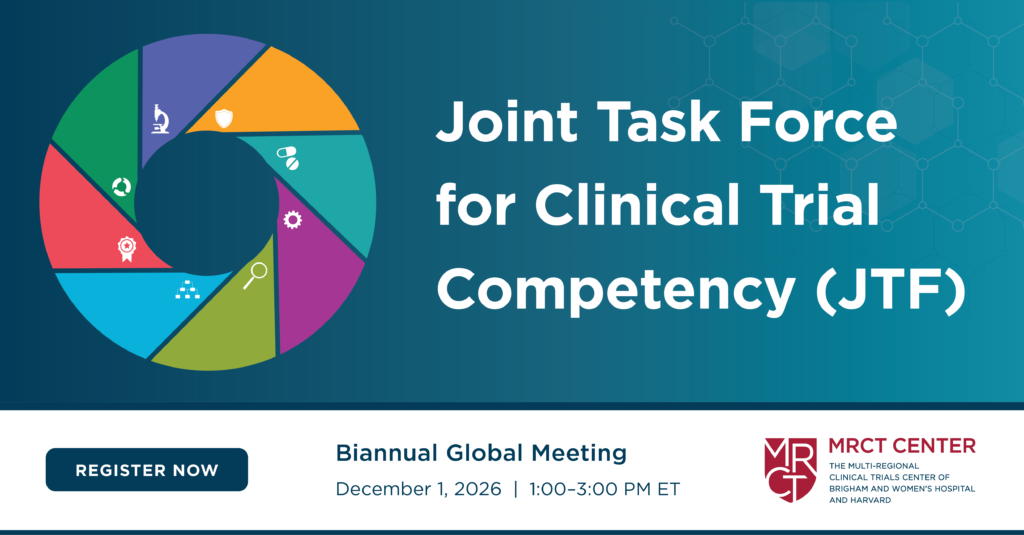
The Joint Task Force for Clinical Trial Competency (JTF), anchored at the MRCT Center, develops and disseminates standards and practices for the global clinical research workforce. By fostering a cohesive and collaborative approach, the JTF ensures that professionals have the competencies to conduct clinical trials ethically and effectively.
Our international team of investigators, educators, and clinical research professionals has developed and/or utilizes a framework that defines the knowledge, skills, and attitudes necessary for conducting safe, ethical, and high-quality clinical research.
The MRCT Center Annual Symposium returns to Boston for a full day of discussions on ethical, actionable, and practical solutions to today’s global clinical research challenges. Free and open to all, in person or online.
Keynote: Karim Mikhail, Director, Center for Biologics Evaluation and Research (CBER), U.S. Food and Drug Administration
We are pleased to welcome Karim Mikhail as this year’s keynote speaker. Director Mikhail will give an update on Operation TrialBlazer, the HHS roadmap for maintaining U.S. leadership in early clinical research and development, and the initiatives planned under it. He brings more than two decades of leadership across industry and FDA.
Panel 1 | Response to Keynote: Ideation to Implementation and Scale
Leaders from industry and academic medicine respond to the keynote and discuss how Operation TrialBlazer’s planned initiatives can move from roadmap to practice.
Panelists: Ginny Beakes-Read, Johnson & Johnson; Karen Hartman, Mayo Clinic; Jennifer Sheller, Merck
Moderators: Barbara Bierer, MRCT Center; Mark Barnes, Ropes & Gray and MRCT Center
Panel 2 | Returning Summary Results to Participants: Lessons from the EU and UK Experience: Optimizing for US Application
NIH has released a draft policy on sharing summary-level study results with participants, with comments due October 26. Participant, researcher, and regulator voices from the EU and UK join NIH to discuss what they learned returning aggregate results, what they would do differently, and what they recommend for those just getting started.
Panelists: Adam Berger, U.S. National Institutes of Health; Johanna Blom, University of Modena, Italy; Clive Collett, Health Research Authority, UK; Veronica Popa, EURORDIS
Moderator: Sylvia Baedorf Kassis, MRCT Center
Panel 3 | Post-Trial Obligations: An Integrated Decision Model for Clinical Trial Placement
This panel explores the circumstances that challenge trial placement, when durable access is achievable in a host country or community, and when reciprocal benefits are acceptable if it is not. Panelists will also discuss the MRCT Center’s draft Integrated Decision Model for Clinical Trial Placement, developed by its Post-Trial Responsibilities Task Force to guide sponsors.
Panelists: Ginny Acha, Merck; Joseph Ali, Johns Hopkins University; Karla Childers, Johnson & Johnson
Moderator: Sarah White, MRCT Center
MRCT Center Updates
Select initiatives from across our portfolio:
AI and the Administration of Research
Childhood Cancer Academic–Industry Collaborative Platform Trials (C3PT)
Proportionate Oversight in Decentralized Clinical Trials
TRACE
Thursday, October 22 | Data Sharing
The second day focuses on data sharing and is co-organized with Vivli. Attend one day or both, in person or virtually. Please click here to view the draft agenda.
Comments provided to: TEHDAS2, coordinated by the Finnish Innovation Fund SITRA
Description: The MRCT Center submitted responses to several TEHDAS2 draft guidelines to Health Data Access Bodies offered for public consultation, including one on international and third country access and transfer of electronic health data; on linkage of health data sets; on informing citizens about the use of health data; and on handling research outcomes. We continue our efforts to engage the stakeholders and guide policy development towards a harmonized data-sharing system for secondary use purposes related to the European Health Data Space (EHDS).
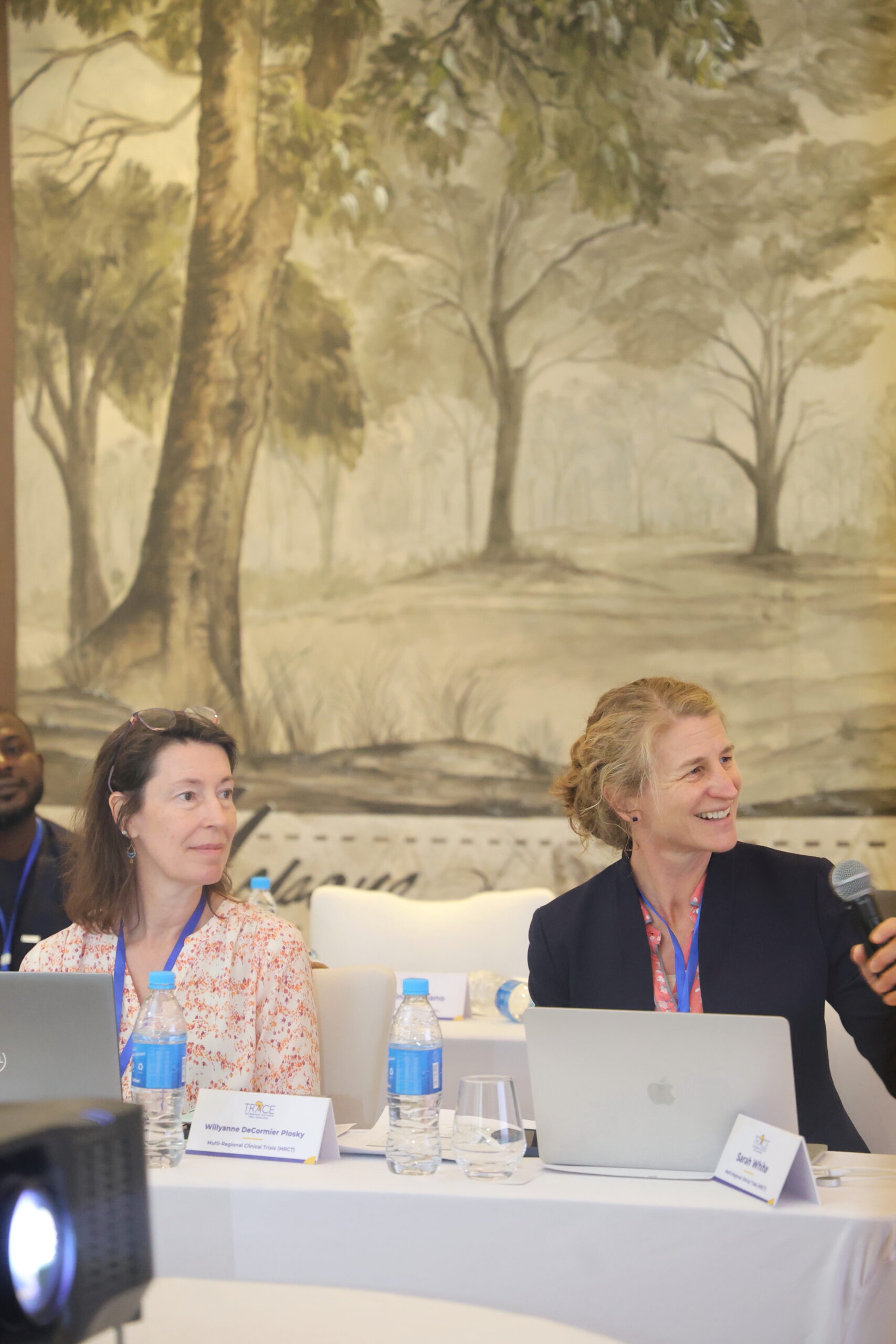
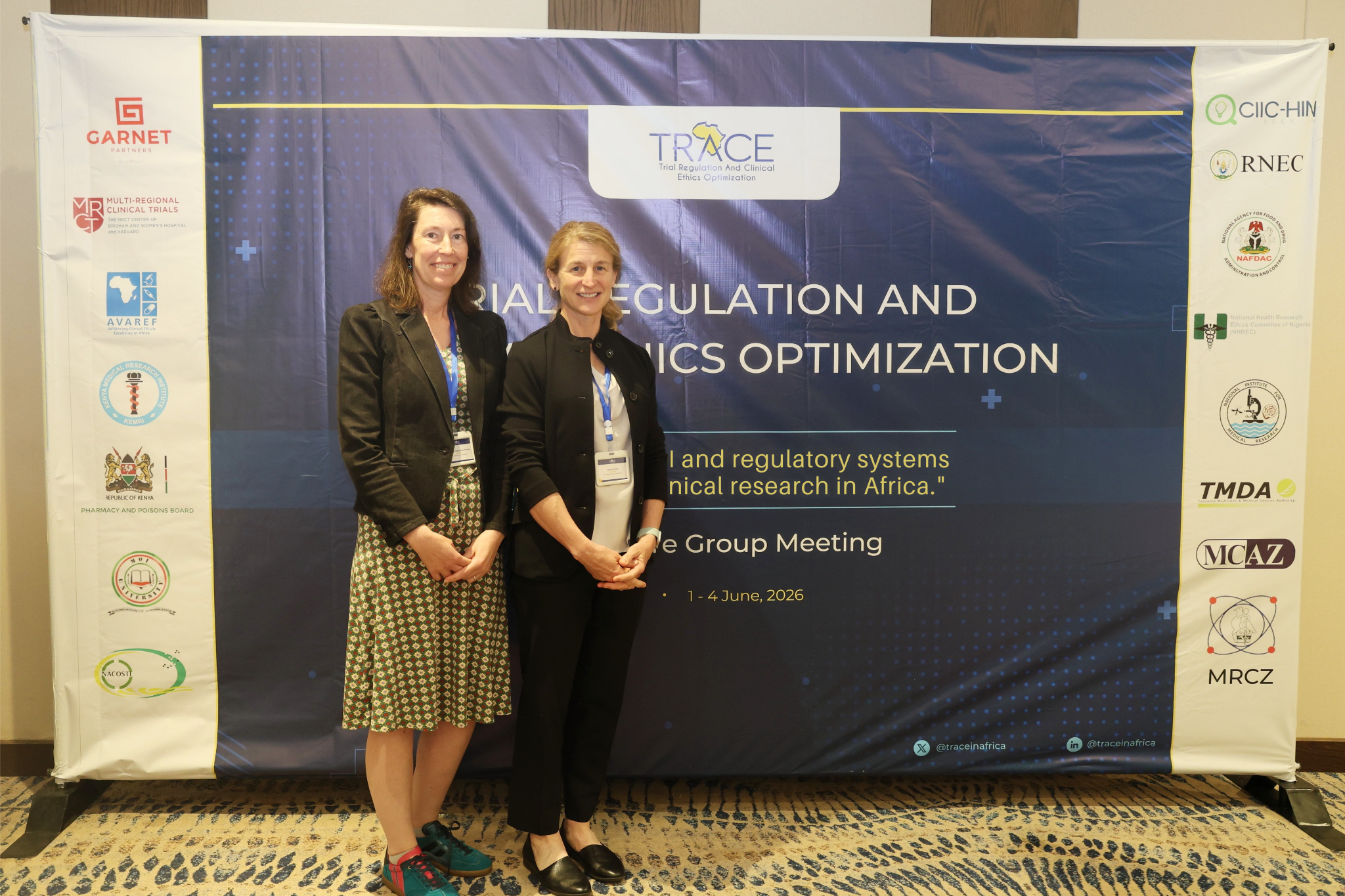
Sarah White, Executive Director, MRCT Center Dr. Willyanne DeCormier Plosky, Program Director, MRCT Center
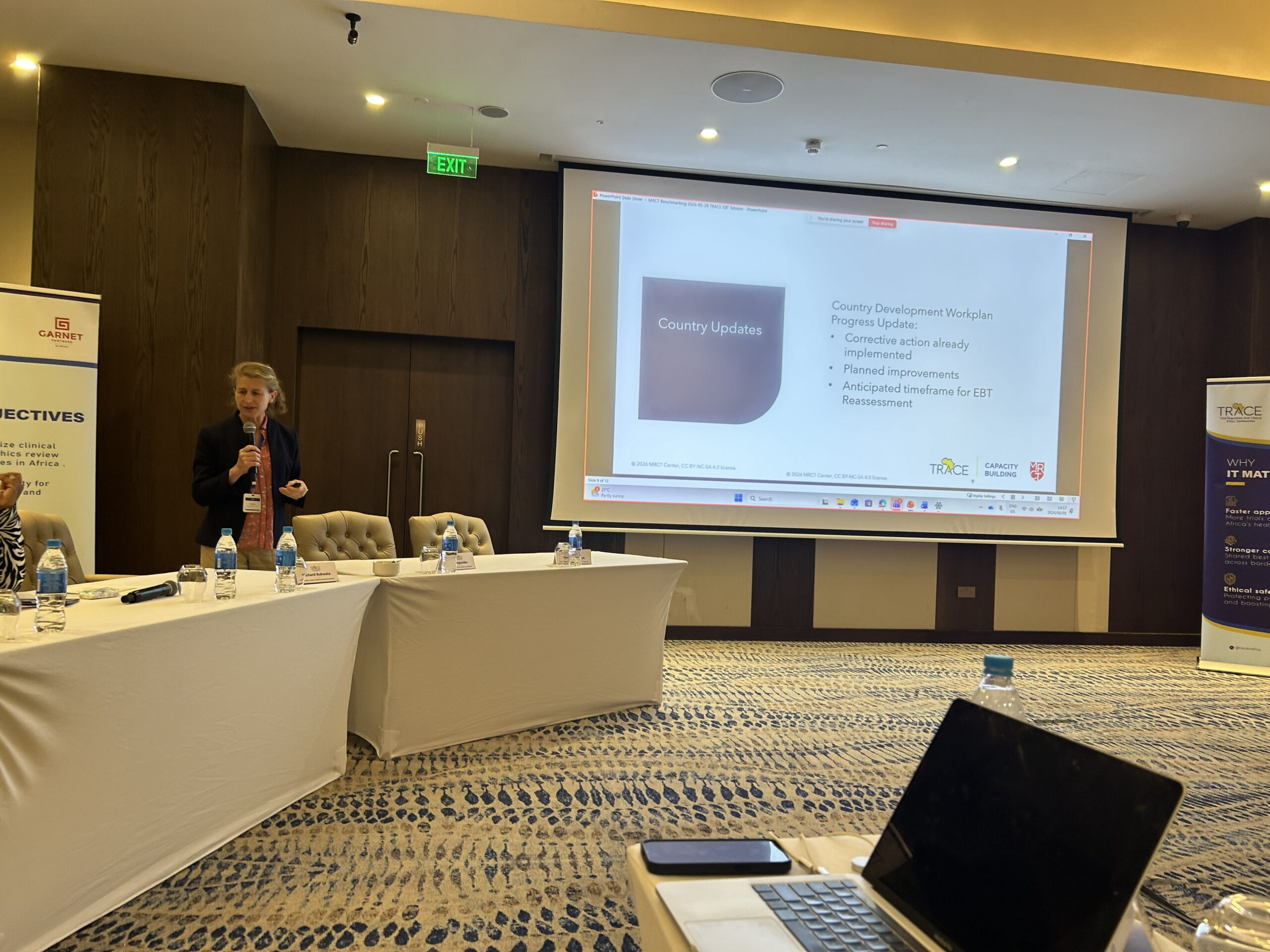
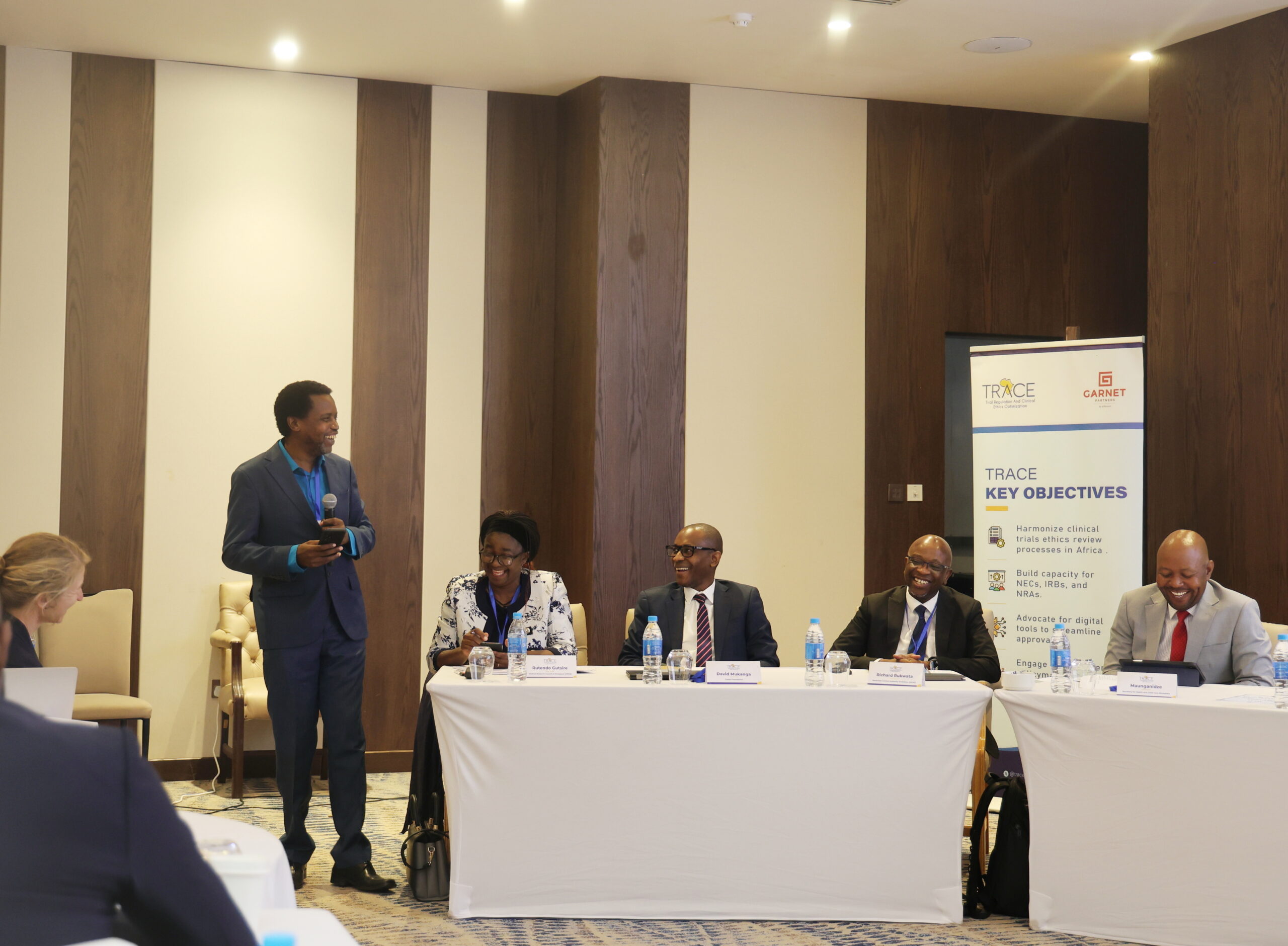
The MRCT Center serves as technical lead for the TRACE (Trial Regulatory and Clinical Ethics Optimization) project, a partnership working to strengthen clinical trial ethics capacity across Sub-Saharan Africa. Work with Nigeria, Rwanda, Zimbabwe, and Tanzania expanded in 2026 to include Kenya. The Center supports each country’s distinct needs in capacity building and financial sustainability, with particular attention to parallel submission, registration, accreditation pathways, in-country reliance, and sustainable financing models.
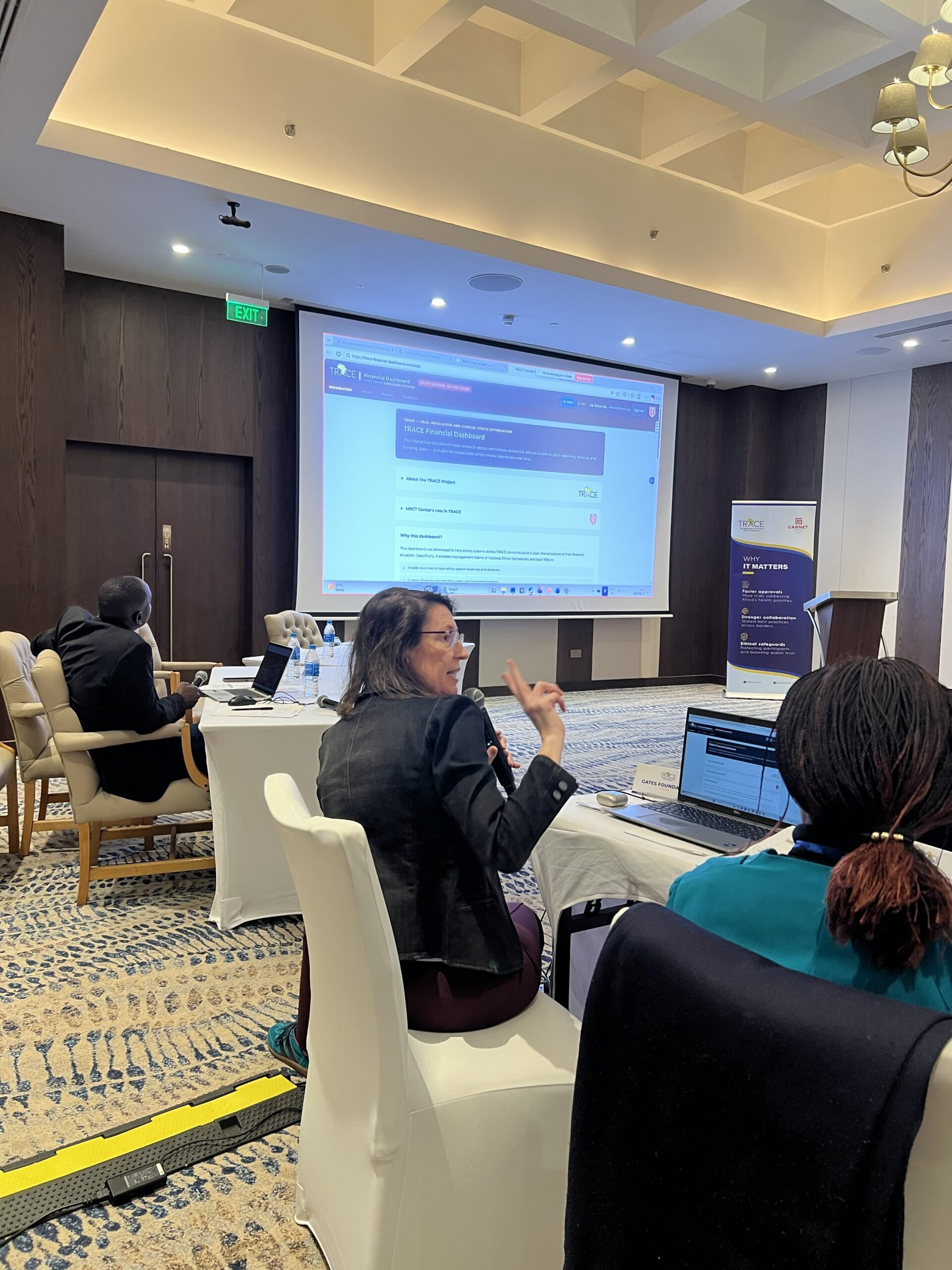
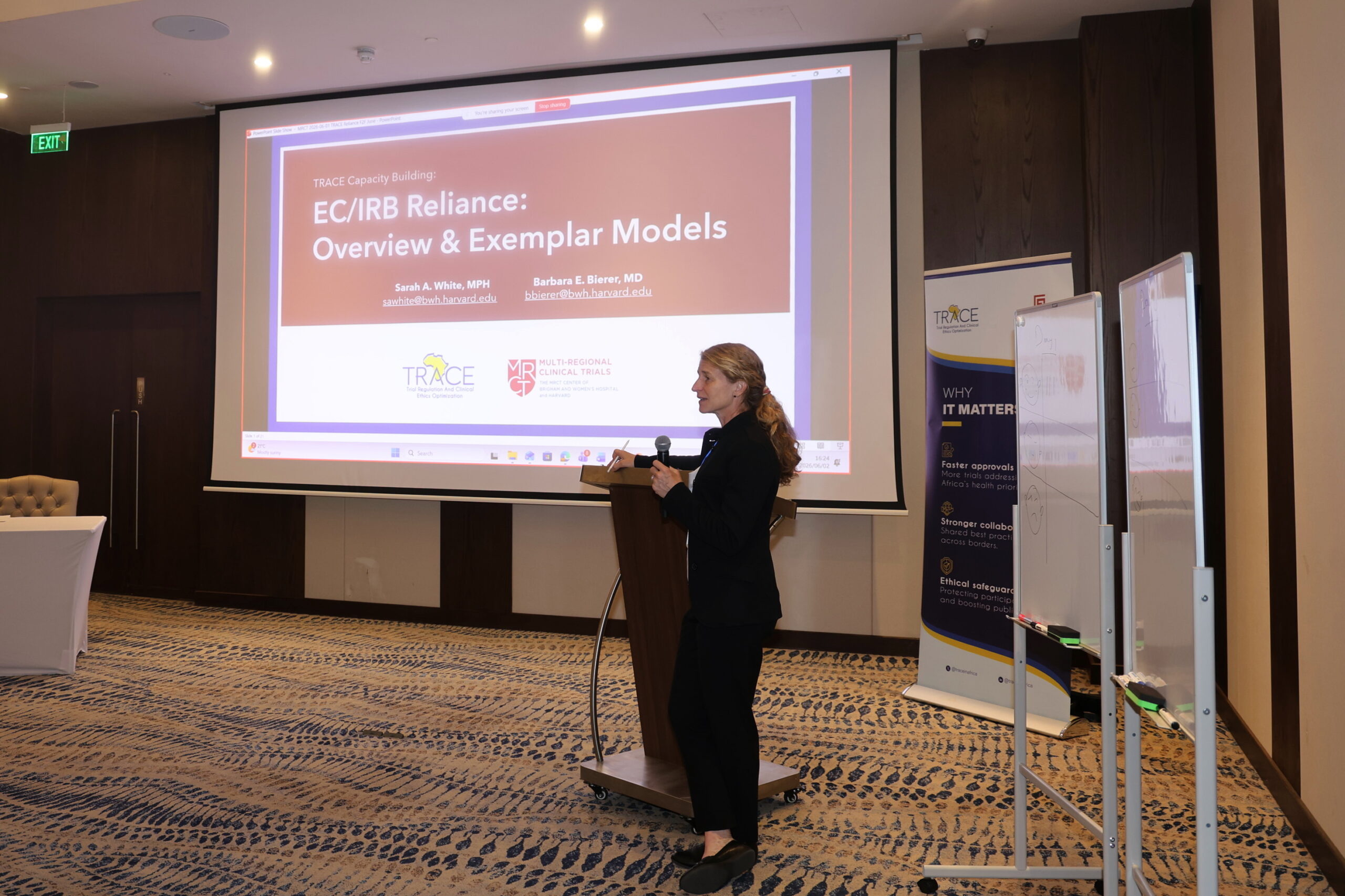
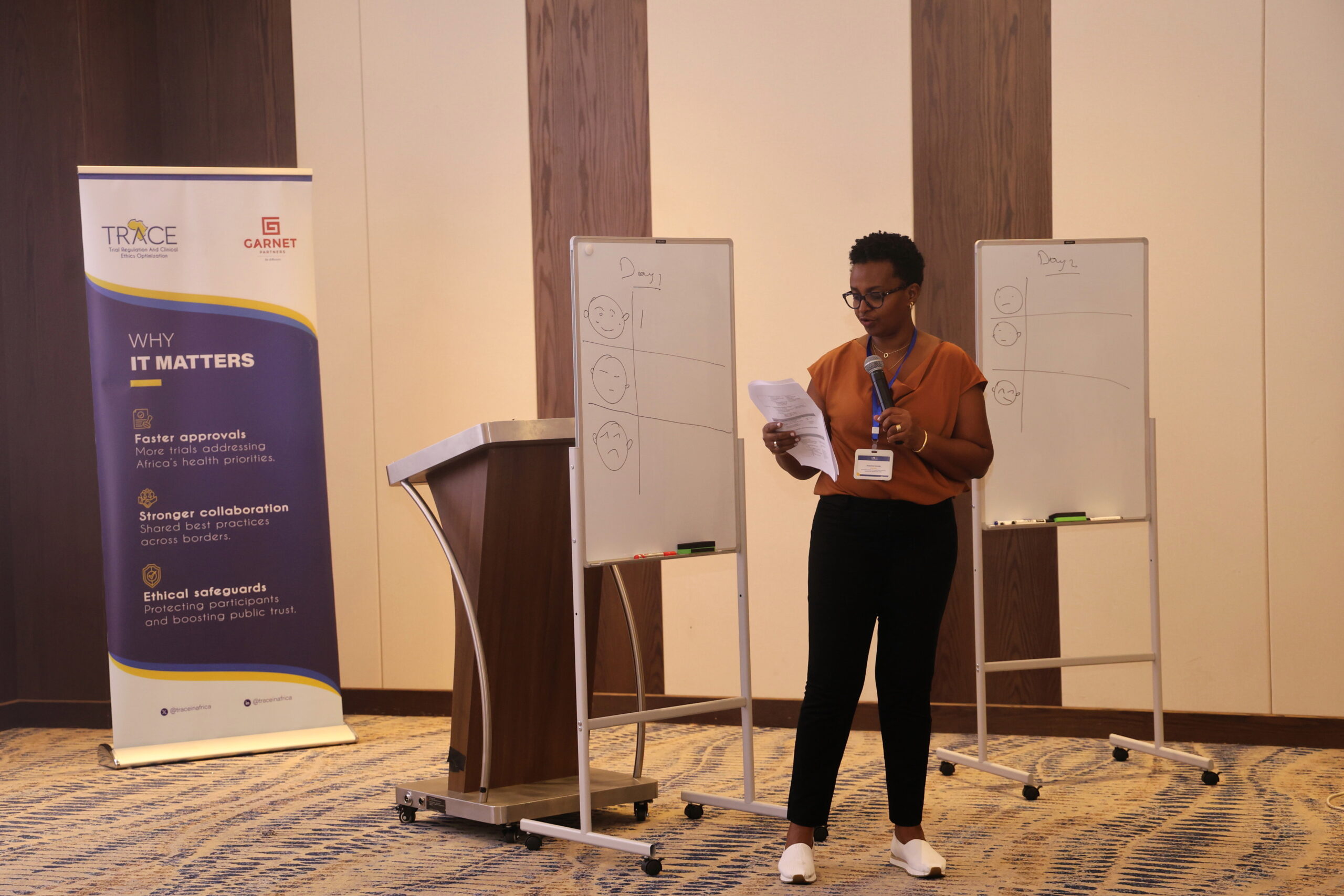
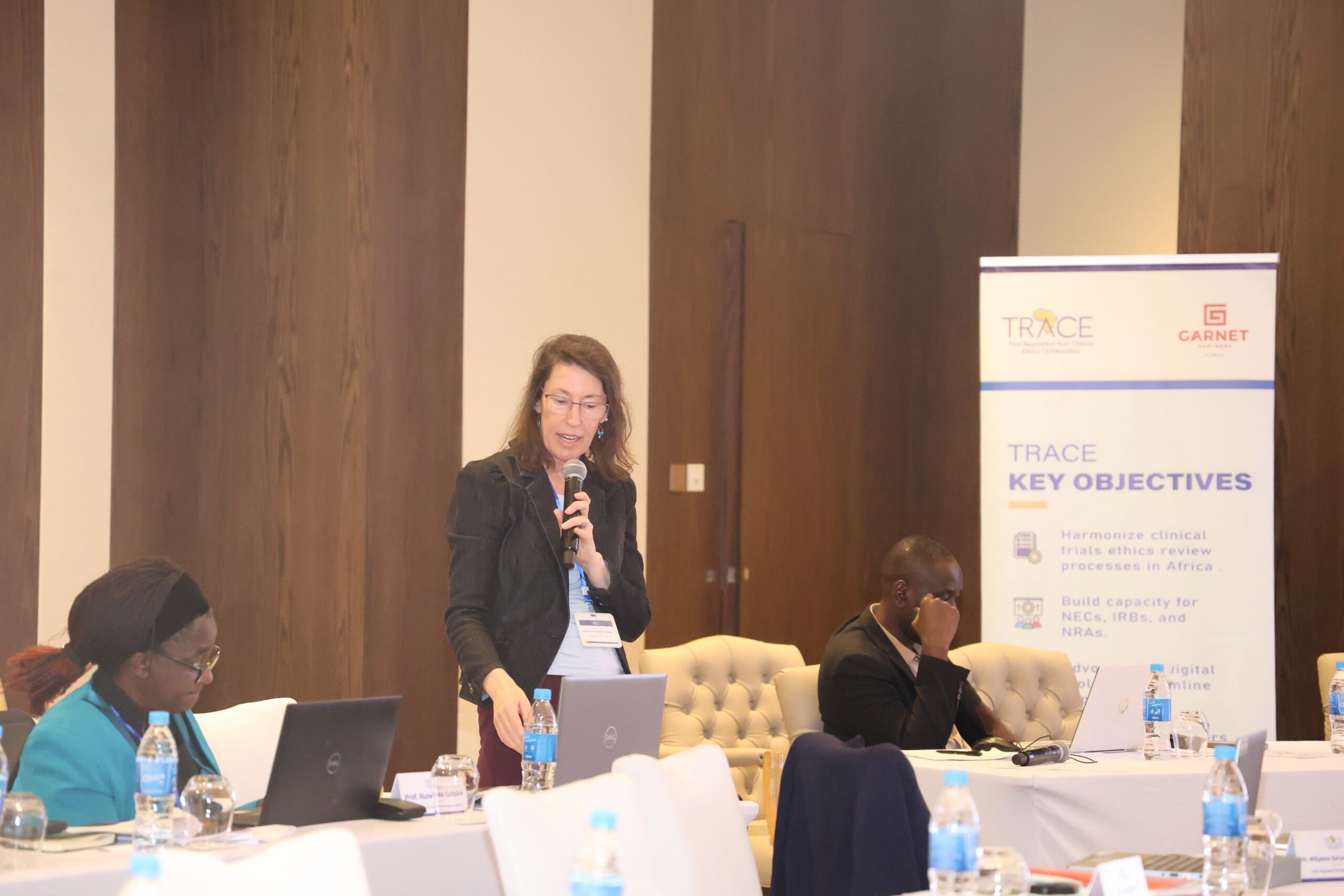
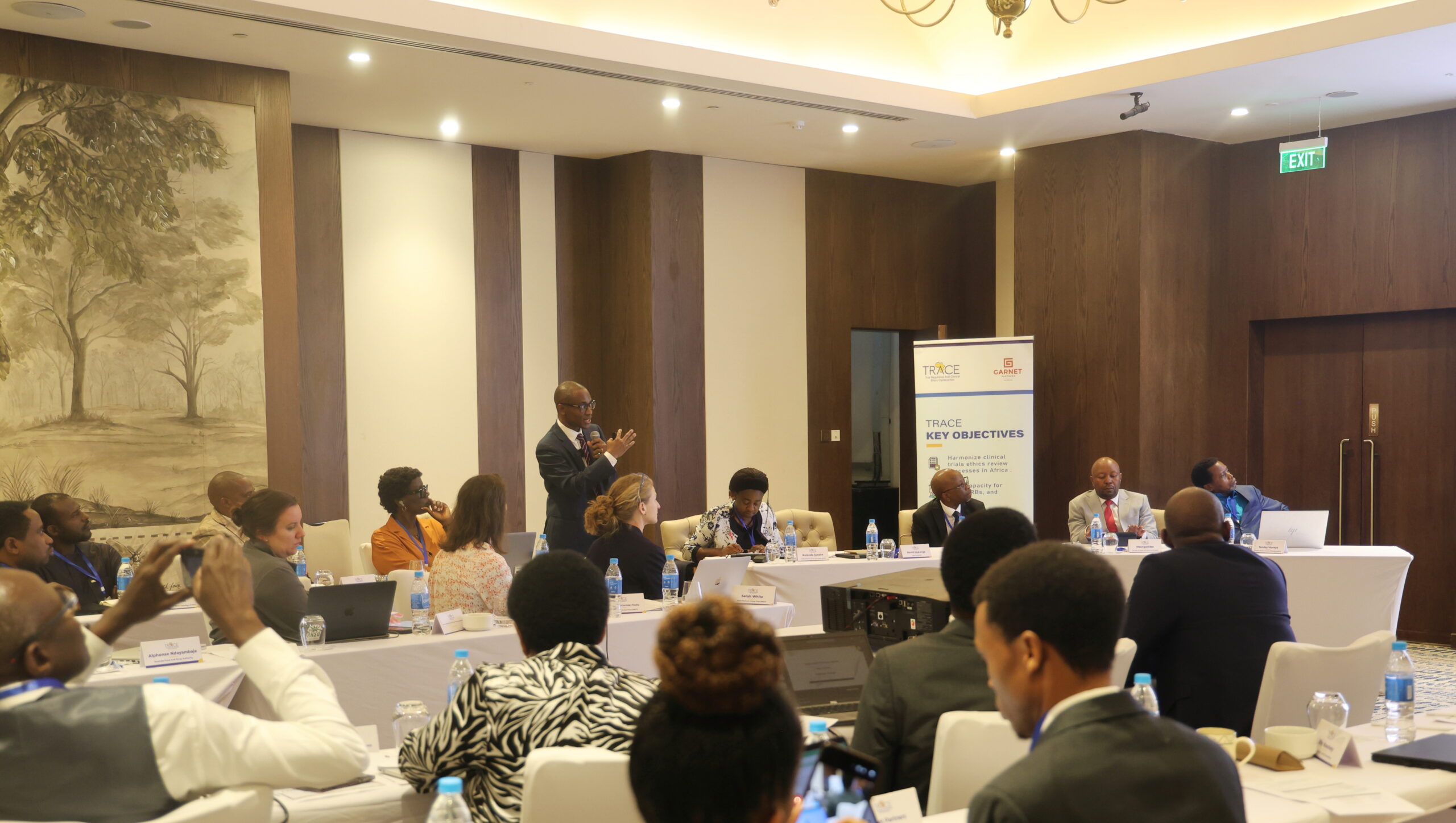
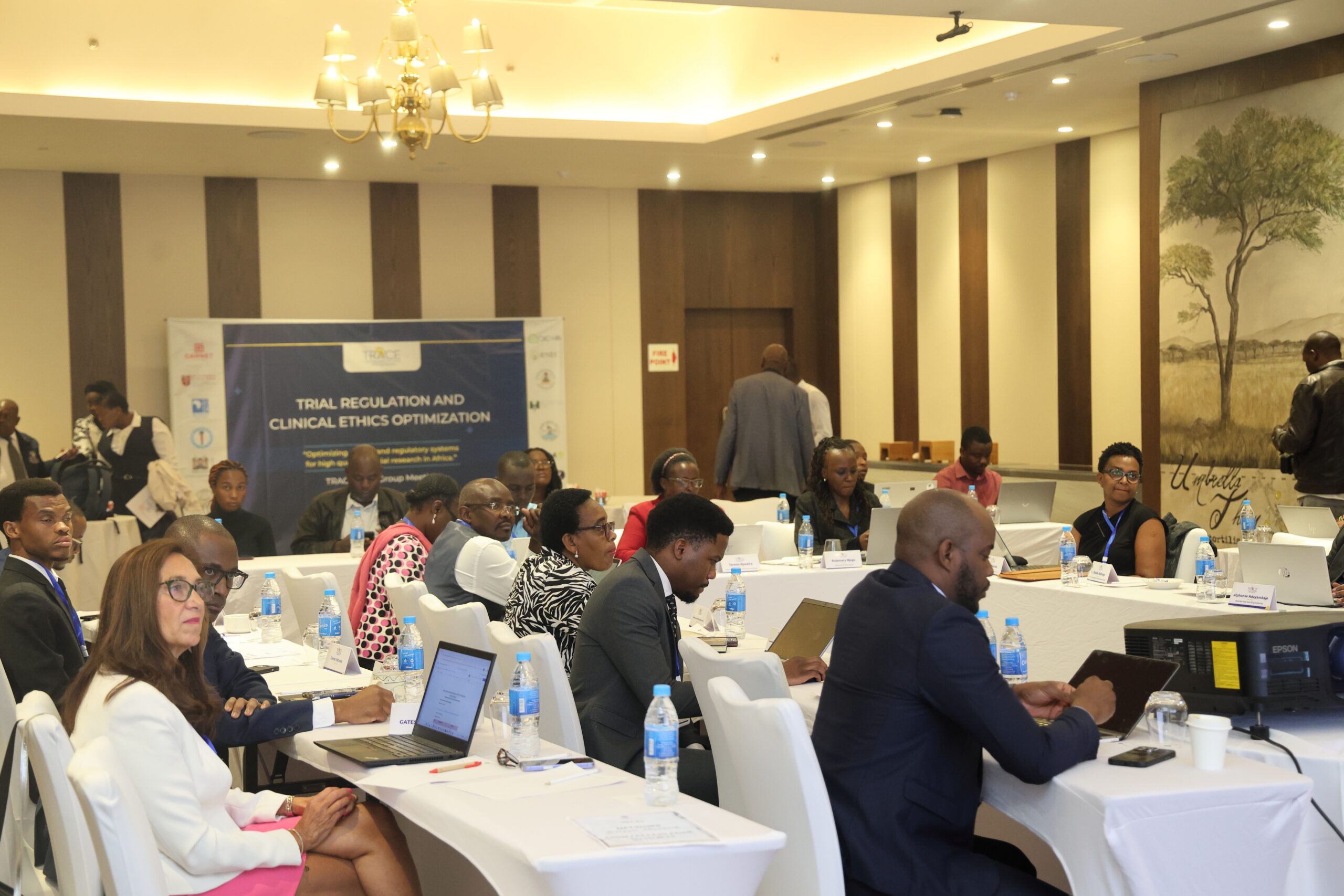
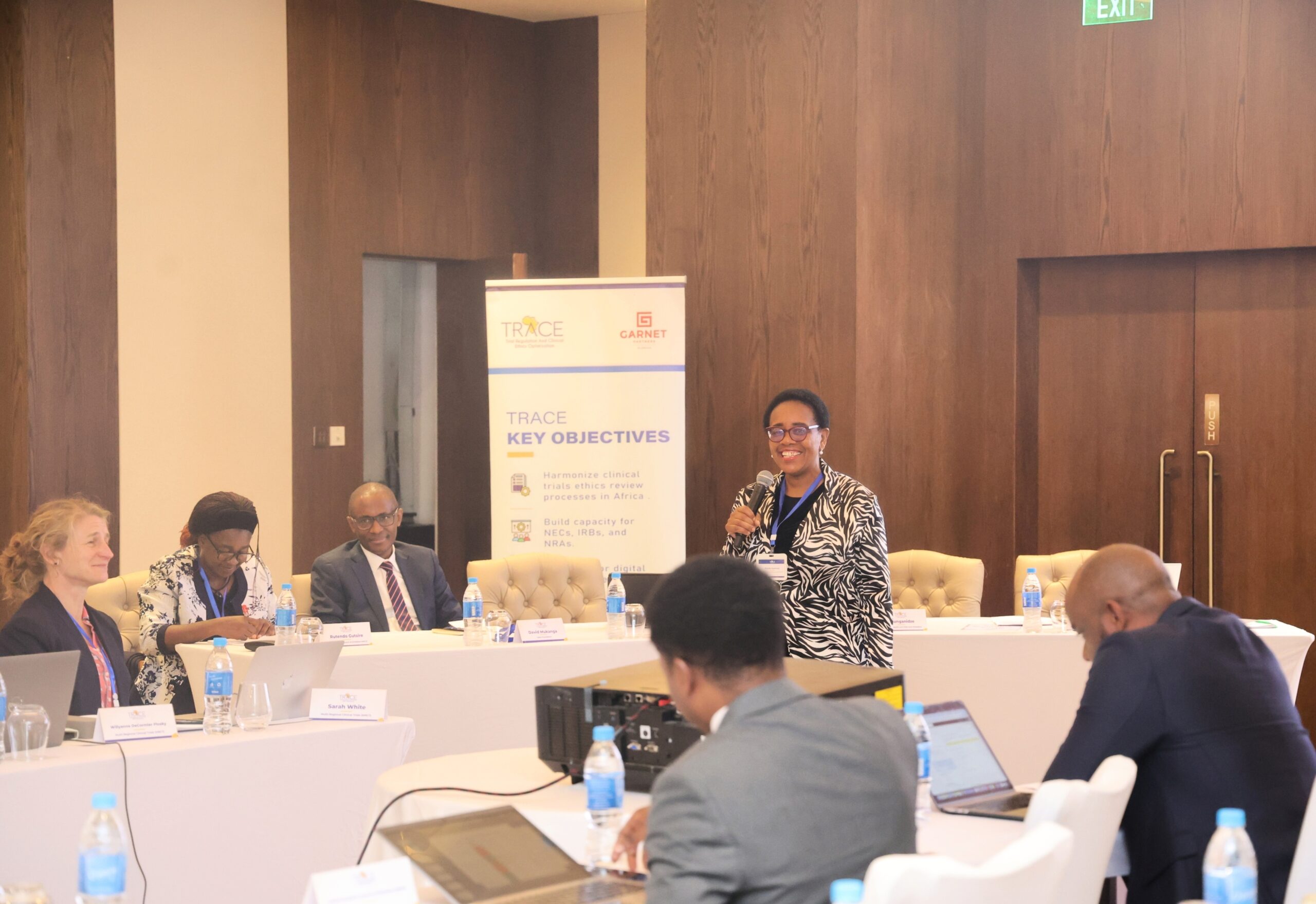
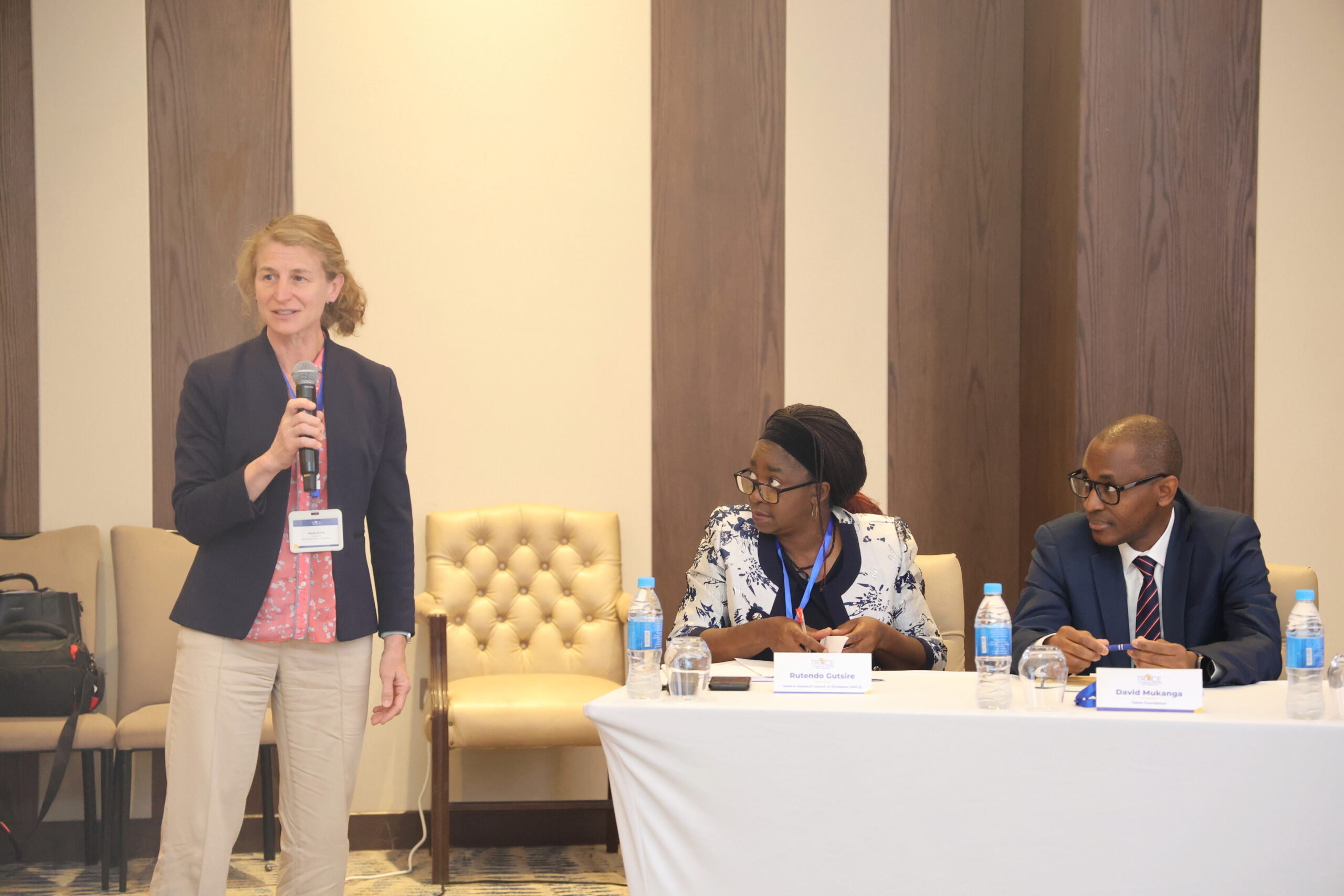
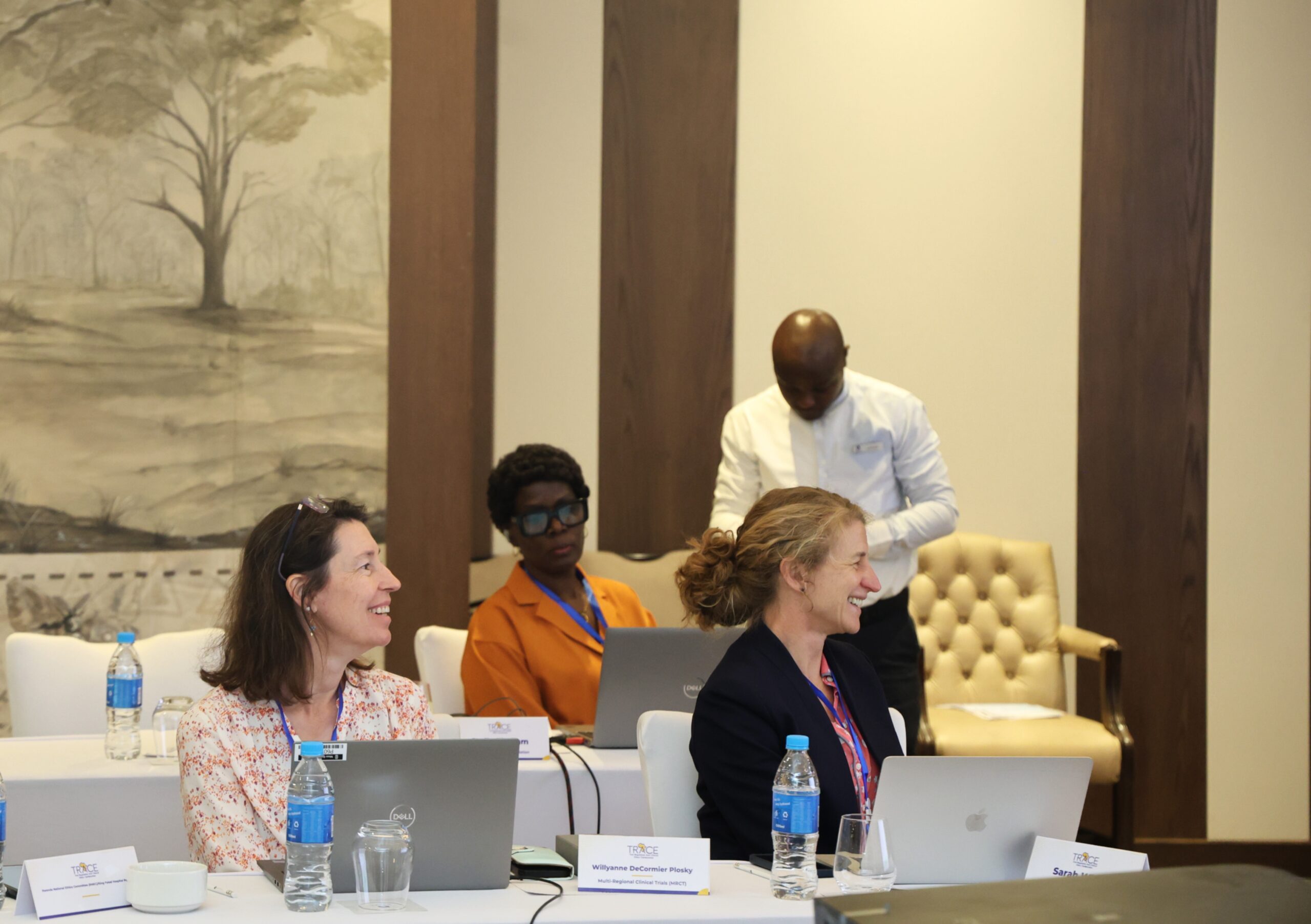
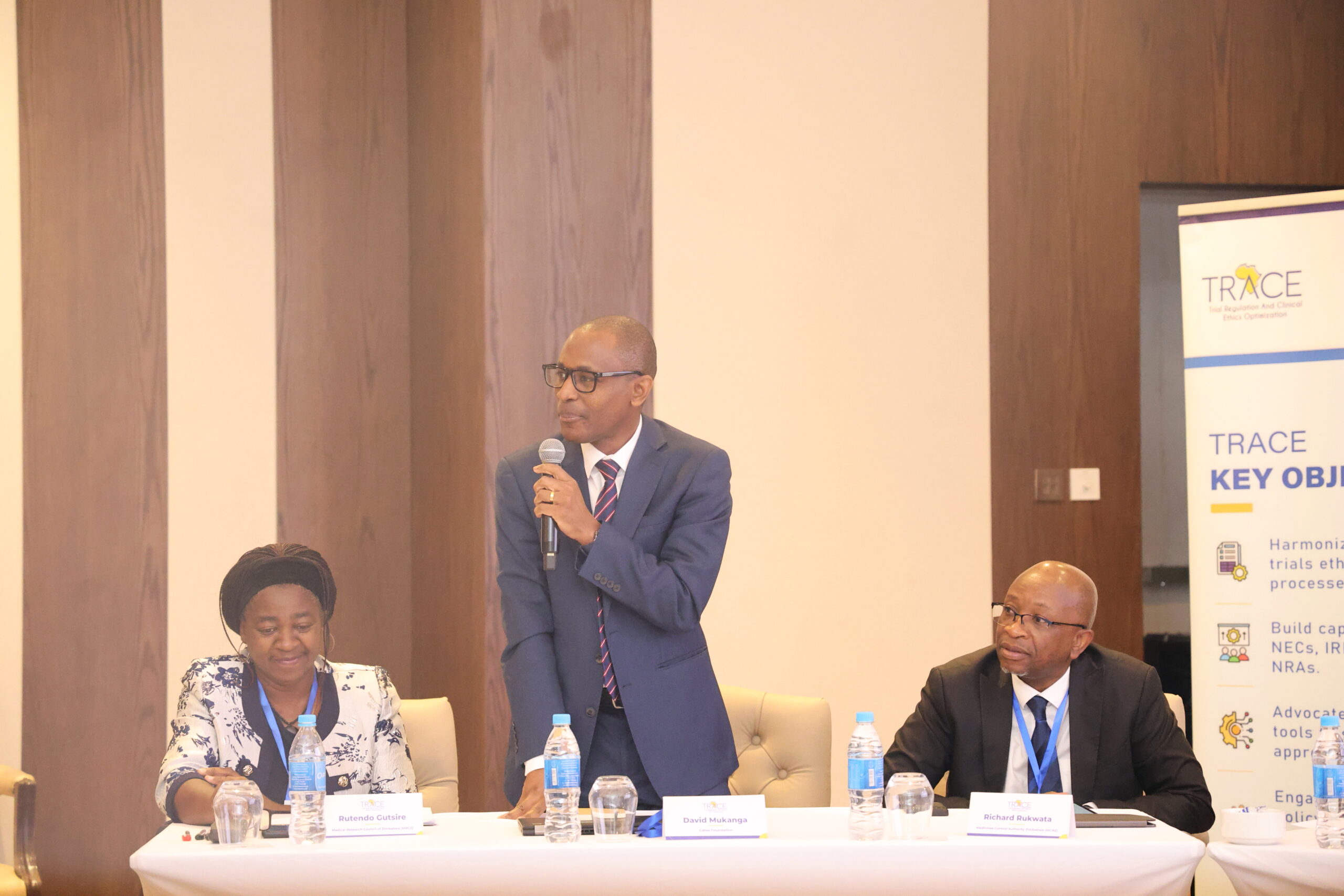
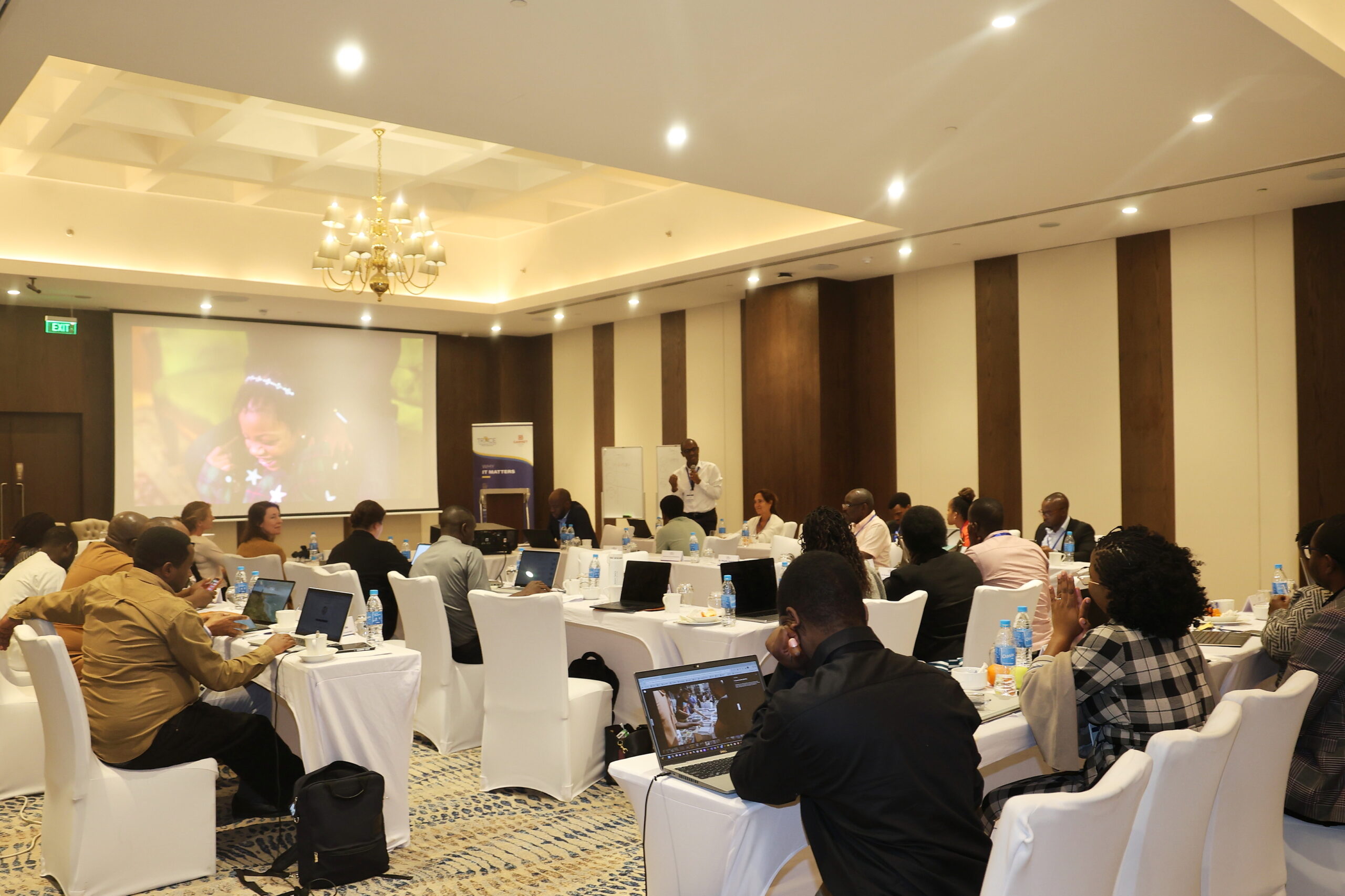
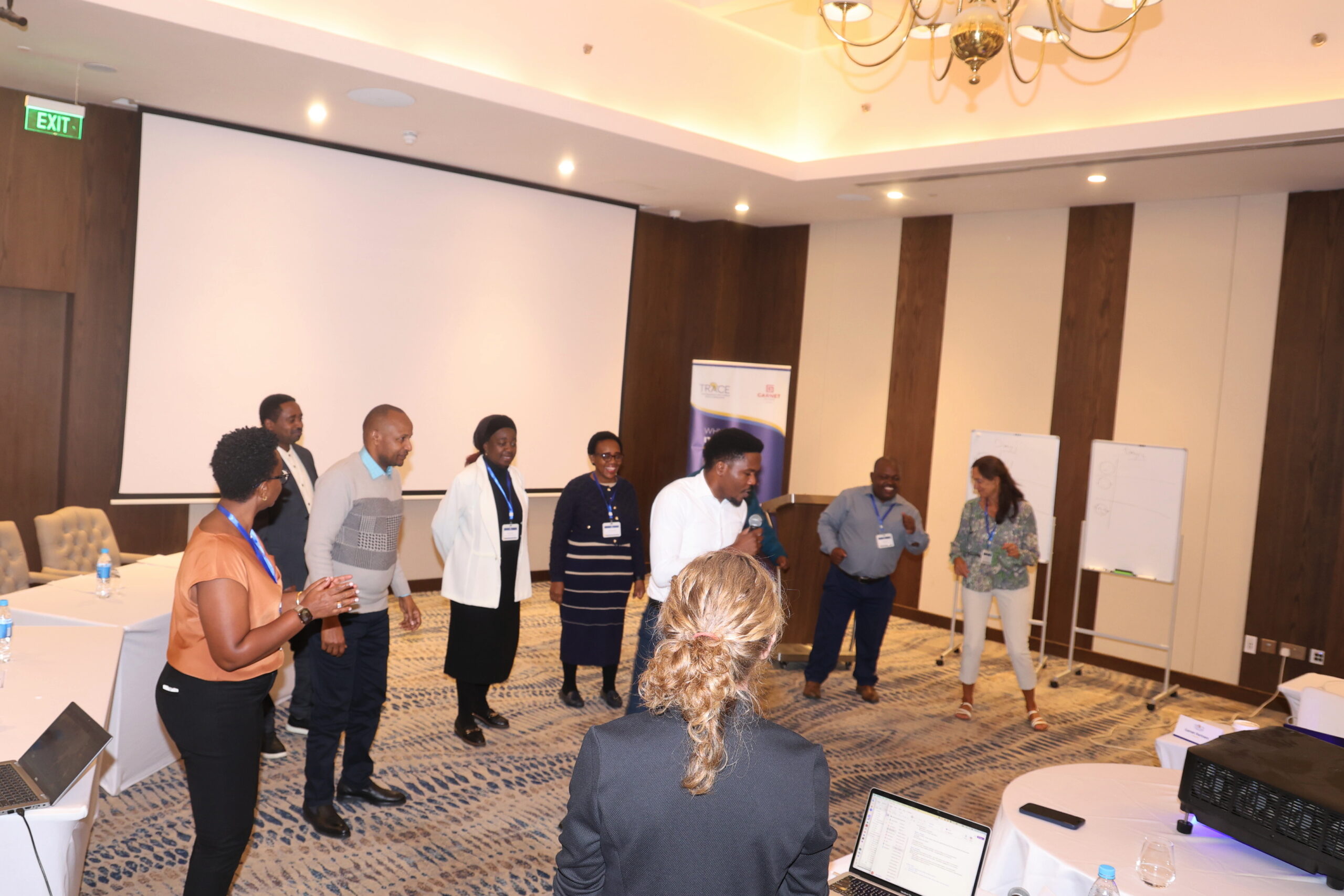
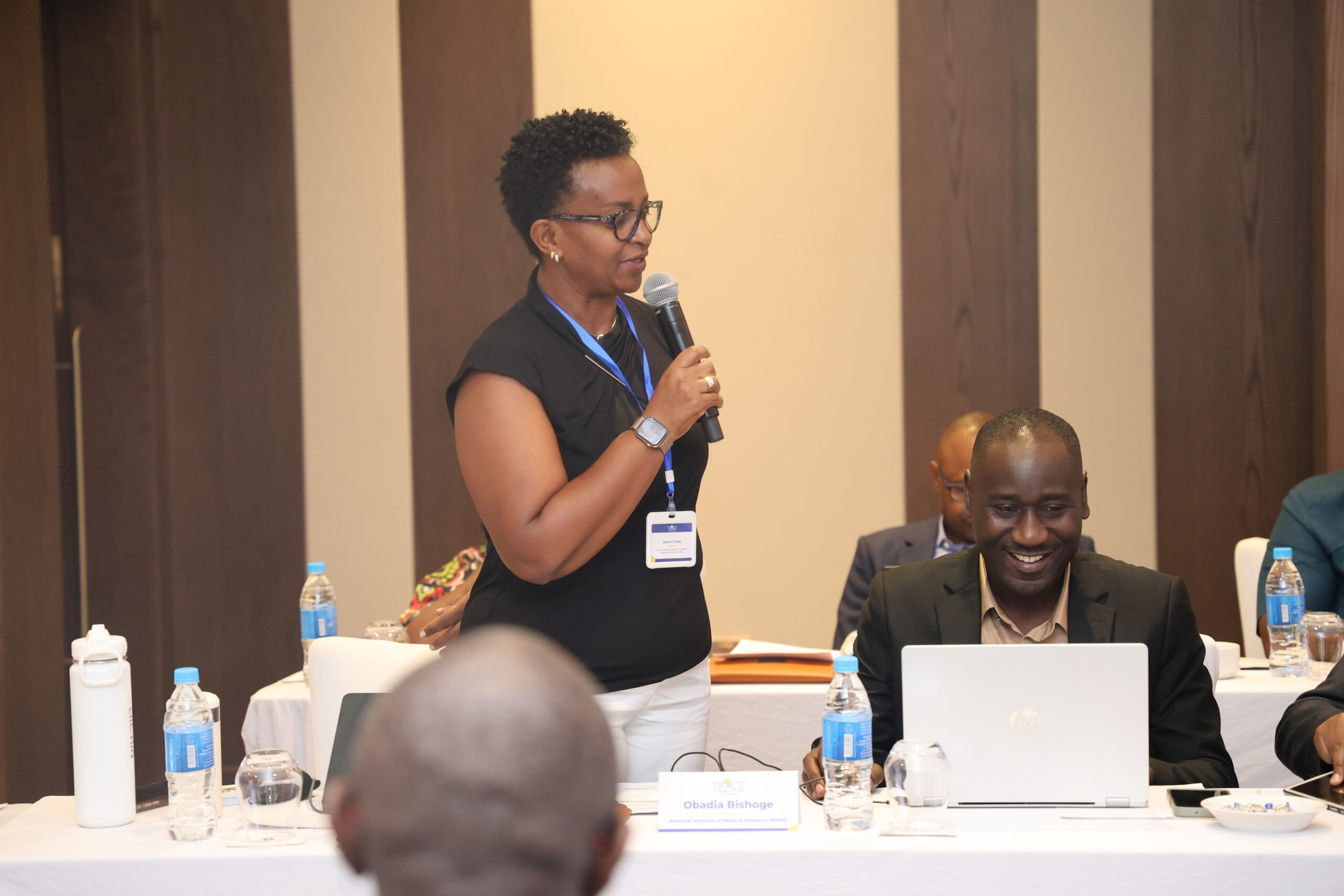
In early June, the TRACE core team convened in Harare, Zimbabwe, hosted by the Medicines Control Authority of Zimbabwe (MCAZ), with opening remarks from MCAZ leadership and the Gates Foundation and a keynote from Dr. Aspect Jacob Vengani (AJV) Maunganidze, Zimbabwe’s Permanent Secretary for the Ministry of Health and Child Care. Over four days, all five countries reported progress against project milestones and worked through the practical challenges of strengthening national ethics oversight: shortening protocol review timelines, advancing accreditation and in-country reliance models, and building toward financial sustainability. Each country left Harare with concrete commitments and timelines for the months ahead, with continued technical support from the MRCT Center. The meeting reaffirmed the Center’s role as technical lead and coordinating partner across the five-country partnership.
Each TRACE country used the meeting to report progress against project milestones and to surface the practical challenges of strengthening national ethics oversight systems and coordinating with regulatory systems. Day 1 focused on ethics committee readiness and country progress towards achieving protocol review and approval within 60 days of submission, including parallel submission and identifying where delays were occurring between ethics and regulatory review. Day 2 focused on developing and revising necessary SOPs and guidelines to achieve readiness, and on discussing exemplar models of ethics committee accreditation and in-country reliance, with MRCT providing updates and facilitating a working session in which each country agreed on its direction forward. Day 3 addressed digital systems, with live demonstrations from Zimbabwe and Tanzania, followed by a financial sustainability workstream led by the MRCT Center’s Willyanne DeCormier Plosky, who guided countries through financial questions and an advocacy template to support government and other funding. Dr. DeCormier Plosky also demonstrated a prototype digital dashboard developed by the MRCT Center that can be customized by country teams for tracking, visualizing, and forecasting expenses and revenue. Day 4 focused on country metrics, including ethics review timelines, project budgets, and potential paths forward, culminating in each country presenting its top commitments and timelines for the months ahead.
The meeting closed with country teams carrying forward concrete commitments, from completing IRB training, digital platform rollouts, and revised codes of ethics, to finalizing fee structures and joint applications, inclusive of all five countries, for additional sources of grant funding. In addition, the MRCT Center, it will continue its support, including guidance in developing SOPs and tools for EC review and ongoing technical assistance for developing sustainable accreditation and reliance models. As the TRACE partnership moves toward its 2026 and 2027 milestones, the meeting in Harare reaffirmed the MRCT Center’s role as technical lead and coordinating partner across a partnership spanning five countries and a shared commitment to stronger, more sustainable research ethics systems.
Comments provided to: European Data Protection Board
Description: The MRCT Center submitted a public comment in support of the European Data Protection Board’s Guidelines 1/2026 on the processing of personal data for scientific research purposes. The comment welcomes the Guidelines as a meaningful step toward clearer interpretation of the GDPR’s research provisions, endorsing the presumption of compatibility for secondary research, broad consent, and a research-specific approach to controller and processor roles. It also asks the EDPB to clarify how the Guidelines interact with the European Health Data Space, to allow GDPR data-processing consent to be included in the clinical trial consent form, to provide clearer examples of when erasure may compromise a trial, and to provide a workable pathway for sharing pseudonymized data.
Publication:Therapeutic Innovation and Regulatory Science
Date Published: March 18, 2026
Description: “Parents’ Perspectives on Access to Pediatric Rare Disease Cross-Border Clinical Trials in Europe: Experiences of Language Inclusion and Preferences,” published in Therapeutic Innovation & Regulatory Science and led by Begonya Nafria of the Institut de Recerca Sant Joan de Déu with co-author Barbara Bierer, surveyed parents of children living with a disease about access to cross-border trials in Europe. Of 1,436 responses, 10% of families had participated in a clinical trial, and 30.1% of those had traveled abroad to do so. Among parents whose children were excluded from cross-border trials, roughly one-third cited language or country barriers as the reason.
Comments provided to: NIH National Library of Medicine
Description: The MRCT Center submitted a public comment in response to the NIH National Library of Medicine’s request for information, “Future Directions for the NLM Information Resource Grants (G08) Program.” The comment affirms strong support for NLM’s mission and the trustworthy resources it offers through PubMed, ClinicalTrials.gov, GenBank, and MedlinePlus, and proposes several ways to expand the G08 program with a focus on clinical trials and research. It recommends deploying libraries and librarians as trusted access points that help the public find and interpret research information; extending these resources to rural and historically underserved areas as entry points for digital trial methods and study recruitment; improving the utility of ClinicalTrials.gov through electronic health record integration for point-of-care trial matching, more complete eligibility criteria, plain-language trial summaries, and machine-readable protocol templates; and providing educational resources on the responsible and practical use of AI technologies. The comment urges NLM to foster an AI-ready research information ecosystem grounded in data interoperability standards, computable metadata, benchmark datasets, FAIR research outputs, and systems that protect personal health information.
The Joint Task Force for Clinical Trial Competency (JTF), anchored at the MRCT Center, develops and disseminates standards and practices for the global clinical research workforce. By fostering a cohesive and collaborative approach, the JTF ensures that professionals have the competencies to conduct clinical trials ethically and effectively.
Our international team of investigators, educators, and clinical research professionals has developed and/or utilizes a framework that defines the knowledge, skills, and attitudes necessary for conducting safe, ethical, and high-quality clinical research.
This recording is from the JTF Biannual Global Meeting held June 22, 2026. The meeting focused on two recent proposed revisions to the JTF Framework: the JTF-Patient Partner Project (P3) and an update to Domain 6. Speakers presented the proposed updates, discussed them with users of the JTF Framework, and gathered input on further changes needed as the Framework moves toward Version 4.0.